
Cairn Consulting Group
CampMap
Mexican Glamping Association
Blue Water Development

RVDA Canada

RVDA

Texas Association of Campground Owners (TACO)

IVEE Group
Clockwork

App My Community

Campground Consulting Group

Horizon Outdoor Hospitality
Kona Hills Campground

Surf Junction Campground
Camp Strategy

RV Industry Advisor
CRR Hospitality

Creekside RnR Glamping
Unhitched Management
Campspot
Operations Director
Camp Door County RV Resort & Campground
Bison Peak Ventures

Canadian Camping & RV Association
Climb Capital

RoverPass

Founder
Market Movers
[00:00:45] Brian Searl: Welcome, everybody, to another episode of MC Fireside Chats. My name is Brian Searl with Insider Perks and Modern Campground. Excited to be here. It’s outside. It’s like, it’s not too bad in Calgary right now. I’m missing my blue sky, but I’m sitting outside, and it’s, uh, about 10 degrees Celsius. I don’t know if you guys know what that is in American whatever you guys use down there.
Uh, but sorta, kinda warm fall weather. Uh, so nice to sit outside here before we go to our, kind of, like, colder winter. Uh, but still with blue skies, so we’re spoiled up here. I gotta admit that. Like, I like going snowshoeing in the mountains and all that kind of stuff when, when it’s, uh, you know, cold outside too.
So excited to be here for another episode of MC Fireside Chats. Uh, I’m not at OHI like I normally am at this time of year, uh, but Landan is. He’s filling in for me. Uh, Landan, are you gonna take us down to the show floor and, like, run around and do all kinds of, like, cartwheels and tricks and amazing things and show us what’s happening or?
[00:01:38] Landan Dory: The cartwheels and tricks have already been performed. You missed that. The actual convention just wrapped up about an hour ago. So, um, I had every intention of just selfie-ing you guys all the way around the showroom floor, but it’s over now, so here I am in the hotel room chatting with you fine people.
[00:01:51] Brian Searl: Well, thank you. I appreciate you being here. I wanna hear, I wanna hear how the show was and all that kind of stuff. Uh, but let’s go around the room and introduce ourselves first. Might as well start with Landan.
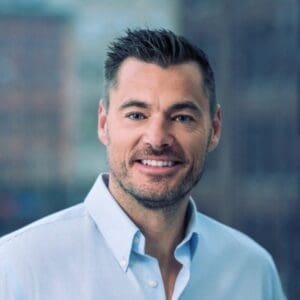
[00:01:58] Landan Dory: Absolutely. Guys, hi, Landan Dory. I’m the founder and CEO of North Star Brokerage and Advisory.
Uh, we do brokerage and advisory for RV park and campground owners, mobile home park owners, marinas, anything that’s outdoor ho- hospitality focused and adjacent.
[00:02:12] Brian Searl: Awesome. Thanks for being here. And Landan’s gonna be a recurring guest with us, uh, once a month here going forward, so excited to have you. Uh, Kaleigh, our other recurring guest.
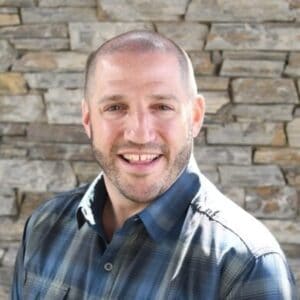
[00:02:20] Kaleigh Day: Yeah. Hi. Uh, my name’s Kaleigh Day, and my husband and I own and operate Surf Junction Campground and Surf School out in Ucluelet, BC.
[00:02:29] Brian Searl: Yeah. And did you go to the Canadian show, Kaleigh?
[00:02:32] Kaleigh Day: No. We’ve been really busy since the campground has closed, so I wasn’t able to make it.
[00:02:37] Brian Searl: I was supposed to be there, and then it was a whole nightmare with my flights, and I couldn’t get there.
I had a keynote that I missed, so that was … I’m, I’m not sure if they’re happy with me.
[00:02:43] Kaleigh Day: Oh, wow.
[00:02:43] Brian Searl: I probably … But I send my, I sent my presentation to them, and we did, you know, somebody else did it for me, so it’s crazy.
[00:02:50] Kaleigh Day: Oh, wow.
[00:02:51] Brian Searl: Yeah. Story for another time. Yeah. And then last but not least, Zach
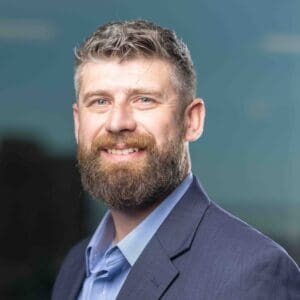
[00:02:59] Zachery Shankel: Group. We help, um, current owners and future owners develop their properties and revitalize their, um, campgrounds and RV parks, h- uh, anything outdoor hospitality, marinas all over the country.
[00:03:13] Brian Searl: Awesome, excited to have you too, sir. So typically how we start the show is we’ll, uh, go to our recurring guests, who, Landan is new this week, so question to you too.
Uh, but Landan and Kaleigh, is there anything that we’ve, uh, not talked about in the last month that we’ve been here that you feel like we should be talking about that’s come across your desk? And we’ll talk about the OHI conference later, Landan.
[00:03:31] Kaleigh Day: Hmm. Nope, nothing from-
[00:03:32] Landan Dory: Kaleigh, you can take the lead on that one.
[00:03:34] Kaleigh Day: I mean, I haven’t, like, the camp- our campground closed, so I’m just going through, going through all of our closing tasks, like the huge storms have been hitting the West Coast right now. Like w- I didn’t have power the other day. So, um- Yeah … we’re just kinda doing general maintenance and making plans for next year, and, uh, deciding kind of what projects we’re gonna tackle here.
Um, and then yeah, just, uh, just the usual, enjoying the downtime.
[00:04:01] Brian Searl: Mm-hmm. What does that look like? Yeah, that’s, ’cause like I- I- I’ve never been brave enough to own a campground, probably never will be. Uh, I’d rather just sit behind my computer and, you know, geek out on AI stuff and whatever I’m building. Um, but what does that look like for a typical campground owner for the audience who, you know, maybe is in the industry and doesn’t know that as well as intimately you might, right?
Do you feel like, is it the first few days you’re just like, “I’m done. I’m watching Netflix on the couch, not moving for a week,” or…?
[00:04:26] Kaleigh Day: Oh, 100%, 100%. Like as soon as that last camper goes, all of our, like we have seasonal staff too, so everyone k- it’s like the relief not the relief, but you’re like, “Oh, we get our time back,” and like the campground’s empty and like everyone lets their pets un- like go run wild and, and then it’s like, okay.
Like, and then everyone does a couple trips and then it’s kinda gearing down for projects and all the nitty-gritty stuff and, uh, more tear downs and stuff like that. But yeah, we just do a lot of projects, a lot of planning, uh, to set ourselves up for success in the spring. Um, getting ready to do all of our hiring and yeah, that’s pretty much, that’s kinda what we’re doing.
[00:05:07] Brian Searl: Is there a process that you go through that you feel like works well for you, like as far as figuring out, “Okay, now the season’s over. This is what I’ve learned from what’s happened during the season. This is where I can get better. This is where I can change something. Here’s what I want to adjust,” or does it kind of just change year to year?
[00:05:24] Kaleigh Day: Yeah, I mean, it changes year to year. It kind of depends on what ends up happening. I mean, almost as most campground owners know, or people that kind of oversee or manage campgrounds, there’s always something hits the fan mid-season, something goes wrong, something you patch together, duct tape, hit it twice, flick the switch on and off, and then cross your fingers that it holds on, uh, to the end of the season.
Um, but yeah, we do like exit interviews with our staff. Uh, ’cause we have about 20, 20 or so employees between the surf school, surf rentals, the grounds, you know, the whole, the whole shebang. So lots of interviews to see what, um, worked well for them, what didn’t, and then, um, kind of rearranging different roles of different people and yeah, that’s kind of what we end up doing and then we always pick some type of project for winter to kind of better the campgrounds, and we also get a lot of feedback from our campers, so lots of, um…
Like, we do that auto response email just being like, “Hey, let us know if, like, what, if anything didn’t work well for you guys, or what did,” or whatever, and so we kind of go through those as well.
[00:06:30] Brian Searl: See, that sounds like too much work for me. Here’s what I’d like to do. Landan, you tell me if this would work.
What I’d like to do is just buy a rundown property, fix it, like give it online booking, dynamic pricing, make it really good, and then when the first problems start to appear, I just want to sell it and then just rinse and repeat. I don’t want to deal with the problems. Can I do that?
[00:06:47] Landan Dory: You absolutely can do that.
[00:06:48] Brian Searl: I mean, that’s- It’s kind of like inheriting a child when they’re like seven, right? I don’t want to deal with the one to six years.
[00:06:53] Landan Dory: Um, yes. No, that’s, that’s absolutely a strategy that some people can use. I will say in the modern market, you’re gonna do yourself so many more benefits if you’re the one who actually goes through the brain damage, maybe give yourself a little bit of gray hair in order to, um, improve the value and solve some of those problems, because these-
[00:07:08] Brian Searl: Well, it’s on, man. I don’t have any hair at all.
[00:07:10] Landan Dory: I was mainly talking about what you have down here.
[00:07:13] Zachery Shankel: Yeah.
[00:07:13] Brian Searl: Okay. All right. Thank you. I appreciate it.
[00:07:14] Landan Dory: But these are, as you guys know, these are operating businesses, so the valuations of these properties in the marketplace can swing drastically based on the problems that do and don’t exist within the business and how that impacts the bottom line.
So, um, you can absolutely do that, but there’s a lot of people that have tried that and have made a lot of money, and there’s probably even more that have lost a lot of money in the last couple years.
[00:07:33] Brian Searl: Fair. Uh, so not a good idea.
[00:07:36] Landan Dory: Depends on how much brain damage you want.
[00:07:39] Brian Searl: I have a lot of brain damage already, man.
I’m not sure I can take more of it. Zach, what do you think?
[00:07:50] Zachery Shankel: Um, I didn’t hear anything that Landan said, so
[00:07:53] Brian Searl: Who said all the smart things and I said all the terrible things. Um,
[00:07:56] Zachery Shankel: I apologize for that.
[00:07:57] Brian Searl: Uh, I think Landan basically said like it’s a, it’s a toss-up depending on how much hard work and effort you wanna put in, which he referred to lovingly as brain damage.
[00:08:09] Zachery Shankel: I think delegation is important and getting yourself set up for successes prior to buying that campground, knowing what you, what all you need to put into it prior to pulling the trigger to purchase it is, is very important.
[00:08:22] Brian Searl: I mean, I think, I think as I step back and look at it, and obviously I’m joking when I say what I just did, right?
Um, but I think when I step back and look at it, it’s interesting. I’ve never put myself in the shoes of a campground owner, and that’s why I kind of asked the question, Kaleigh. But I think that, one, it, everything that probably any business owner does at some point causes some kind of brain damage, right?
[00:08:43] Kaleigh Day: Oh, 100%.
[00:08:44] Brian Searl: Uh, yeah. It’s, it’s the people that have, that work through it and push through it that have the best and most successful outcomes. So just to be clear on that, a lot of respect for, for all business owners, especially campground owners, uh, ’cause they gotta deal with the hospitality front end side of it too, right?
Um, but I think it’s interesting to explore, like, as this world continues to change and as we continue to evolve, the new expectations that are being put on some of the campground owners who maybe didn’t sign up for that in the beginning, if that makes sense. And we’ve talked about this on the show in various forms and fashions in different ways, but if you go back to, like, the 1960s or whatever when the first, let’s, let’s call it modern RVing, right?
When the first KOA popped up in Montana, uh, and, you know, all the way to now. It’s basically been, for the better part of 40, 50 years until right before COVID, kind of the same thing. If you were running a campground and you knew what it needed to be, and, and that’s a macro level, right? There are micro people who did things differently.
But you knew what it needed to be. It needed, you know, concrete pads, needed to fit the boomers. It needed to make sure they could bring their grandkids out, have a pool, have a swimming pool, whatever else, uh, you know, and, and that was it. There was a recipe for it. But now I think in the last, and you can maybe speak to this more, Landan, uh, certainly you, Zach, you’re developing stuff.
Uh, but as you buy and sell properties, Landan, I think a lot of that has changed. The expectation of what people want and how Gen Z is expecting different things or younger millennials are expecting different things than Gen X or, I always mess up the generations, but the boomers. And then Gen Alpha’s coming up, what, you know, right after them.
And the way that we travel with smaller rigs, camper vans more, becoming more prevalent. Not maybe more prevalent, but equally as prevalent as some of the Class As. This drives a different type of expectation. And with that different expectation, alongside the AI and the technology we were talking about off the air before we came on, is a whole different kind of operator that maybe some of these people didn’t sign up for. They signed up to be outside and disconnected.
Nobody wants to take it?
[00:10:43] Kaleigh Day: I feel like you were chatting with, or like that was kind of directed to, you know, but I mean like for us-
[00:10:47] Landan Dory: I, I had a little bit of a lag there so I might have missed the question.
[00:10:50] Kaleigh Day: Yeah, but like for us, like we, the campground where… We bought the campground 15 years ago, and we had no high-speed internet, it’s developed.
Uh, we’ve had to really bob and weave and adapt. And I think being able to adapt and listening to your base customer is what really is gonna help guide you and set you up for success, not, you know, part of it’s doing what you want to do, but also just listening and that feedback as well. I mean, we’ve had the luxury of like having it over time and really finding our customers.
Um, and our campers are fantastic. You know, that’s like the best part about being in this industry is like you just get the best, the best people. But I think just listening to that feedback and then being adaptive and figuring out like what else you can add or bring and ever you’re doing a project or seeing where you can, um, make it a better experience for them, it just sets you up for more success.
I don’t know if that really answers your, a question, but that’s what we, you know, that’s what I’ve seen.
[00:11:49] Brian Searl: Yeah, I mean, I’m just making stuff up as I go along. I don’t really prep for the show. But, uh, but more so along the lines of like, I’m wondering where this goes as we head more towards the technology and the AI and the online booking and the dynamic pricing and all those things.
Does it change what on a macro level a campground owner is? Do we have, do we, do we start to have a new breed of not necessarily younger, because there’s plenty of older people who can operate certain kinds of technology better than I can, right? But a different type of owner who didn’t buy it just to be outside and wants to work with their hands, who bought it to say, “Well, I can interweave technology with it, and I can still enjoy nature if that’s the thing I need to do,” but I don’t know.
Does that make sense? Maybe I’m talking all over the place.
[00:12:33] Kaleigh Day: No, it’s like, because basically as your asking-
[00:12:40] Brian Searl: Maybe …
[00:12:41] Kaleigh Day: the different type of owner, it’s like it’s hands-off either you can, um, you know, like you can do self check-ins-
[00:12:50] Brian Searl: Maybe in some regards, right? But more so, but not even just that, just the, the type of business owner.
It’s, it’s like the difference between a small business owner and an entrepreneur. Both are equal, not one is better than the other, but in my mind they’re different. And that doesn’t mean, you know, again, like I, every- whenever I say that it, I feel like everybody’s like, “Oh, well you mean they’re lesser?” No, they’re just different.
Um, it, it’s like that. Like does the type of person who would typically purchase and run a campground, whether they’re there offsite change because the nature of the job of owning a campground has changed significantly and is going to change significantly as AI, robotics, and everything else comes into the picture.
Does that maybe help clarify it?
[00:13:33] Landan Dory: Yeah. Well, I would, I would reverse it. I would say that the buyer is not changing based on the adaptations of technology in the industry. The buyers exist. There’s already this massive influx of private equity money and aggregators and syndicators that are moving into this space because they recognize that this is a, it’s a very large industry, it’s a phenomenal opportunity.
It, it’s every bit of an investment and because it’s a business more so than it is just purely real estate, you can improve the business value in a very short amount of time. So we have a lot of very new, very smart, very well capitalized people coming in, and they’re looking at these businesses, many of which are, uh, antiquated in a lot of areas, whether it’s on their marketing or their operations or whatever the case may be.
And they’re saying, “Hey, there’s a lot of gaps in this business model here that we can fix and we can bring into the 21st century.” Um, but there’s also a massive disconnect that that creates because at the end of the day, and Kayla you hit the nail on the head, like your, what you were doing with your staff and with your guests doing the exit interviews is the furthest upstream thing that affects everything downstream.
‘Cause you have to, you have to have that feedback, both positive and negative, and that allows you to make decisions, and those divis- those decisions affect the, the viability and the profitability of your business, and then that’s what can be sold Um, so a lot of these guys are coming in and they are automating a lot of things.
They are improving a lot of things. They’re, they’re really blowing out things on the AI side, the technology side, the reservation and booking side, um, of course the marketing side, if I didn’t already say that. And, um, they are, they’re, they’re doing everything they can to make these things generate more revenue at a lower cost.
And, uh, we oftentimes see that that is done at the expense of the guest experience, at the expense of the relationships that are had with the onsite management, whether it’s longterm or seasonal. So the thing that we recognize in these transactions is that, um, when these transactions take place, there is a, a huge kind of a piece of the heart of the property that leaves when new private equity takes over.
I’ll give you an example. We just sold 189 space park just north of Austin here in Texas, and this was a mom-and-pop campgr- mom-and-pop campground. They built it themselves, they operated it for many years, and they sold it. The new group that came in is a very well-capitalized private equity group, and the first thing that they did once they took ownership was they basically boarded up the management office.
They did away with the onsite staff and management. They put every, all the pedestals on, um, basically wireless metering technology so they didn’t have to have someone running around on site doing, uh, meter readings, and everything moved to online booking systems. So they, you know, we’ll, we’ll see, time will tell how successful it is.
Maybe it’ll become more successful, but they kinda gutted that, that core component, that face-to-face interaction that exists between the park residents and guests, uh, and then the actual ownership of the park. Um, from a private equity and, like, a management perspective, it makes a lot of sense. But we’ll see how that actually impacts the relationships that are had with the people on site.
As you guys know, like the relationships that you have with your, your customer base are extremely critical when it comes to getting people to stay for long periods of time, getting people to come back year after year. So, uh, we’ve seen, we’ve seen very, very good imple- uh, implementations of technology and automations, and we’ve also seen people gut their own business model because they didn’t realize that the core asset being sold was the goodwill that came along with the, the smiling face that when you show up, the, the people that, uh, help, you know, walk you over to your site, or golf cart you over to help you park in your site, and all those things that are very, you know, typical for these types of campgrounds.
Um, those are becoming, those are becoming more operational bottlenecks for very sophisticated groups. So we’ll see how it plays out long term.
[00:16:58] Brian Searl: I mean, I think they’re gonna learn, it’s my hunch, on a macro level, again, I don’t know this group or what their intentions are, right? Maybe they’re gonna learn on a macro level, just you can’t take hospitality out of outdoor hospitality.
You can’t take hospitality outta campgrounds. And I, and I think that, that, that’s what I… Maybe that’s not what I meant with my original question, but that’s part of where I see this changing. Like I, I think AI and robotics and all that stuff is gonna have a massive role to play in outdoor hospitality, but I think it’s gonna be underneath- I think it’s gonna be hidden from the guest.
I think it’s just gonna be used to make their stay better. And when, and, and whoever figures that out first is gonna see a lot of success with their campground, I think.
[00:17:36] Landan Dory: It needs to be used to amplify the guest experience and amplify the hospitality component, not try to replace that with no longer needing a face-to-face interaction with people.
[00:17:47] Brian Searl: Yeah. It needs to allow the campground owner or their staff to, to be able to get out and spend more time with the guest instead of sitting behind a screen.
[00:17:54] Landan Dory: Exactly.
[00:17:59] Zachery Shankel: I’m seeing that, I’m seeing that all over with people trying to start up campgrounds. They don’t, a lot of them, probably 50 to 60% of the ones that I talk to, they’re, um, they’re wanting a completely, uh, complacent lifestyle with that campground. They don’t, they don’t wanna touch it. They just want keypads on the doors and, uh, a key, a keypad gate that they, that they have something like that to where they don’t have to touch even Um, setting up, as you guys know, with a, another company that just made news about cleaning fees, you know, adding cleaning fees to their properties and, and everything like that so they don’t even have to go in there and clean them.
I’m seeing that all over the country, and I advise everybody-
[00:18:44] Kaleigh Day: Do you guys think that, like, sometimes- …
[00:18:46] Zachery Shankel: you’re, you’re, you’re going in the wrong direction …
[00:18:47] Kaleigh Day: with how the pendulum works is people take something like AI or you know, automating everything and removing the customer-facing side of things, the pedu- pendulum swings so hard one way, and then all of a sudden everyone, they go too far, and then it’s gonna swing back to much more of like the, not the old school way of doing things, but like more customer-facing roles, more interaction, more human connection.
Like, I’m kind of curious to see if it’ll go too far where it’s like all those fees, all of those add-ons, and people are gonna stop trusting it and go, wanting to go and stay in those places and go back to, towards more of these, like, places where there’s like, you know, old school, if you will, you know?
But it’ll be interesting.
[00:19:26] Landan Dory: Yeah. It, it, it … Oh G- I was just gonna say, it very well could be-
[00:19:31] Zachery Shankel: And the old s- …
[00:19:32] Landan Dory: a pendulum swing, or it also could just be-
[00:19:33] Zachery Shankel: Go ahead …
[00:19:33] Landan Dory: a bifurcation in the market. Because the older generation, they don’t want AI answering services. They don’t want, you know, keypad entry. They wanna, you know, walk up to Debbie at the desk and chill it out for a couple minutes and get their site map and get walked over to their site.
My generation, I don’t mind if I can just, you know, not talk to anybody before I pull my rig in and park it there. Uh, that’s perfectly fine with me, and a lot of people in my generation are that way. So, uh, I think the challenge for many owners is to figure how you can accommodate both. Because if you start to exclusively accommodate one over the other, your customer base is gonna follow that eventually.
So the question that a lot of owners are trying to face for themselves right now is, what can we still maintain our face-to-face and hospitality component with and keep that real, true and pure? And then what can we automate? What can we take off of our manager’s plate? What can we take off of our staff’s plate?
And that’s just a developing conversation, and it’s so case by case with every single owner, with every single campground. Um, and it, it’s different, it’s gonna be different in every single individual market too.
[00:20:30] Brian Searl: Yeah, I think the answer is you have to make both available, right? And then, sorry Zach, and I’ll make sure you, you go.
[00:20:34] Zachery Shankel: Absolutely.
[00:20:35] Brian Searl: I wanna hear about your company too, ’cause I don’t think many of the owners are, who are watching us know, I don’t even know, have a clear picture of what you do, right? I know surface level. Um, but I, but yeah, I think, I think the answer is providing both, right? Like i- it’s the same reason as you as a campground owner should be on social media, on Facebook and TikTok and Instagram and wherever, because you wanna go where your guest is.
Not everybody’s on Instagram, not everybody’s on Facebook, but by doing both in different ways and different mediums and different mediums and different forms, and you’re gonna hit multiple different people. So for the people who wanna talk to AI agents, for example, and you’re, what you gave Landan, then make that available, as long as they’re good and they can actually help people.
Uh, and then if for the people who want a human, you should be able to talk to the AI agent and be like, “I want a human, go away,” and it’ll transfer you to a human being. And so I, I think it’s gotta be the best of both worlds. Zach, wait, sorry, didn’t mean to cut off.
[00:21:29] Zachery Shankel: Absolutely has to be the best of both worlds. And, and that goes on your accommodations as well. I mean, there’s, there’s a huge growth of travelers that wanna live the, the campfire lifestyle that, that they don’t wanna haul the, the Class As or drive the Class As. They wanna pull into a, a campground, stay in a cabin for a couple nights or, or a, um, a park model that has all that information, and they don’t have to talk to anybody.
They can just go right in and hit a key code and, or they can even stay there and work. Traveling nurses, all that stuff is, you know, that’s important. Workforce housing is an important thing right now that, especially down, um, down by Texas in the Austin area, and soon to be in the Huntsville, Alabama area, the workforce housing industry is, is, is gonna be a big, big situation there.
And I don’t know if those situations need anyone on onsite permanently or, or, uh, full time, but it’s important to, to have that technology there for the different travelers, and it’s important to also have your, um, your old school campground, campgrounds. If you have the room, have a mix of everything. One thing that I’m seeing go away, which I, I don’t know if that’s the case across the country, is tent sites.
And one, one of the biggest things we’re, we’re doing right now is replacing tent sites with glamping units. Um, you know, doubles, triples your, your rental rate. And, you know, again, that’s something that can be done automated with, with your keypads. So I’m, I’m seeing everything all over the country and, and-
[00:23:12] Kaleigh Day: You know, uh-
[00:23:12] Zachery Shankel: Landan’s right. It’s very geographical
[00:23:15] Kaleigh Day: Oh, it’s just interesting-
[00:23:16] Zachery Shankel: As far as- …
[00:23:16] Kaleigh Day: the more that we do this, the more I’m learning- …
[00:23:18] Zachery Shankel: and what’s what …
[00:23:18] Kaleigh Day: that tenting is kind of like a thing. ‘Cause we have quite a few tenting sites, and they, they’re booked out. But BC I feel like still have that old school, you know, camping, uh, world, if you will.
But yeah, it’s kind of interesting to hear and like observe and witness that like tenting is kind of a, not a thing of the past, but people definitely aren’t like, it’s like, you know, the camper vans and the glamping tents and the… It’s also, um, less of an investment upfront, so people like camping equipment’s expensive too.
So like prefixed, even if it’s 200 bu- bucks a night, you know, that’s still cheaper than getting a full camping set up. So, um- Yeah … it’s just interesting
[00:24:02] Zachery Shankel: It is.
[00:24:04] Brian Searl: Yeah, I mean, I think-
[00:24:05] Zachery Shankel: And you can turn the air conditioning on …
[00:24:06] Brian Searl: we could probably have a whole, we could probably have a whole episode on this, right?
And how, like, we could speculate, we could look at some data. Scott Bahr would be a good person to talk to about this too. Um, but I think we could have a whole episode on why that is the case. And, and my hunch is, is that the cases of tents declining is because we haven’t brought enough new people into the industry.
Because you look at the people who are coming up, like the younger millennials, Gen Z, Gen Alpha behind them, and this is the same thing that Earl says, who runs Black Folks, Black Folks Camp Too, is we’re not inviting enough of these people into the outdoors. And it’s a combination of that, but it’s also a combination of many of these people don’t know how to function in the outdoors.
They were raised behind screens or with helicopter parenting, or they didn’t grow… Like, I was probably one of the last generations in the early ’80s I was born, right? ’82. I’m still young, I guess. Uh, but ear- but early ’80s Congratulations, man. I’m really much older than that- Oh, I’m the oldest. I’m the oldest of the group
like the baldness and all that stuff. Um, but like I feel like I was one of the last few generations where like we would climb trees and fall out and break our arms and legs and twist our ankles and our parents would be like, “You know, come home,” and you would run up to your room and you lay your, you put your backpack out from school and then you just run down the stairs and your mom’s like, “Just be home by Thanksgiving or something.”
Right? Whatever. A- and that doesn’t happen anymore, and so you don’t have that unstructured play. You don’t have that learning, you don’t have that familiarity with nature and bugs and dirt and hurting yourself and figuring out how to, you know, do all that stuff. And so I think there’s, there’s an anxiety that we’ve shown in like we put out a, a research report on Gen Z at the end of last year that’s on our website available for free, um, that talks about some of this stuff, about how Gen Z just doesn’t have that environment, and as a result of that, combined with other things like, well, now if you make a mistake setting up a camp, you know, a tent or something like that, it’s on social media forever in front of 2 million people.
That’s great. So I think that’s a lot of the, the feeder market into tenting is gone and then as a result of that, and combined with the private equity that Lennon was talking about, it can make more money, it’s turnkey, it doesn’t require staff, is why we’re seeing less tenting.
[00:26:16] Kaleigh Day: It’s like really interesting ’cause we’ve been, that you said that because I was, we’ve been, like I said, we’ve been running this campground for 15 years, so it’s like the…
I grew up tent camping, so like I learned from my parents how to set up the tent, all the etiquette, all the things you just are kind of taught as a kid. And then this all of a sudden, we’re one of the cheapest forms of accommodation in our area. It’s a really expensive area. It’s hard to come out here.
There’s ferries, there’s traveling out here, and then just any accommodation is wildly expensive. So a lot of people, their first time camping is with us because they just need a cheap place to stay, and it’s a lot of young people. And their camping etiquette, what we just assume is like a, a norm, you know, or like what is known across, like it’s really interesting.
I was like, “Oh, I guess it’s like their first time,” or like we do tent rentals and sleeping bag rentals, and it’s really popular ’cause it’s pretty, it’s a cheaper way and they can just do it for one night. But yeah, it’s, um, it’s interesting seeing trends shift and what people are doing and like the problems that are arising and like, um, everything like that.
It’s just kind of a, an interesting, an interesting thing.
[00:27:22] Landan Dory: Can you give us an example of, uh, tent camping etiquette?
[00:27:26] Kaleigh Day: Well, bear attractants. So we have, like, lots of wildlife, so, like, making sure all of your, like, what is… Even though we go through it and we, like, talk to everyone, it’s, like, certain things you just are, you just know, right?
Like, all of your bear attractants for, for where we live go in either one of our bear caches or your car. The bears haven’t been getting into cars. Like, mainland you can’t do that, but here, so it’s, like, bear attractants. Um, this might be TMI, but going to the bathroom not in your campsite. That has been one that, like, you know, the campground used to be a wild place back in the day, and even that wasn’t happening, and now this, like, last, I don’t know what’s going on the last however many years, that’s been an issue.
And just there’s kind of other, even just, like, uh, putting up tarps, how to put up tarps and stuff like that. But I think just, like, cleaning, leav- leaving it clean, not trashing it when you leave, um, slamming car doors throughout the whole night, um, being relatively respectful of your neighbors. Like, we kind of were raised to kind of be aware. I think the self-awareness-
[00:28:22] Landan Dory: Not walking through other people’s campgrounds …
[00:28:24] Kaleigh Day: don’t walk through other people’s campsites. You know, there’s, like, kind of those things that are just you’re taught. You had your dad, like, you know, yelling at you when you’re a kid if you did it, you know? And then they just didn’t have that, so they have to learn, I guess
[00:28:39] Brian Searl: Yeah, I don’t know how to, uh, I don’t think there’s a way that we’re, certainly not on this podcast, gonna solve that issue, right? But I do think there’s still a ton of demand for camping. Like I think, I think, and we saw this in our research with Gen Z and the younger generations too. They wanna get outside.
It’s not that they don’t like the outside or they don’t like nature, it’s that they have never been taught to appreciate it or taught the etiquette rules or whatever it is, right? It, it’s the same thing with, you know, since we’ve had cell phones and social media. There’s no time to be bored anymore.
There’s no time to sit on your front porch and notice the birds chirping or the way the river sounds or the way the wind goes through the trees or any of that. You’re never bored. You just pick up your cell phone. And so because of the consequence of never being bored, you never learn to appreciate the bird or look at it or figure, right?
And I’m not saying everybody should be a bird watcher. That’s for my friend Greg Emmert, not for me either. That’s really weird and I couldn’t keep track of all that. I can’t even name all my own wines. But, uh, I’m a whiskey guy. Still don’t know all that stuff. But the point is, is just noticing the things I think is…
So it’s all a contributing factor. As I said, we could probably have a whole episode on this. We’ve talked about bits and pieces of this throughout different episodes, but I think the demand is still there. It’s a question of how do I welcome someone in who’s never been prepared to do this before, set up to do this by either their parents or their friends or their network or who they’ve grown up around?
And I think if you can do that, then you can have a really, really, really successful tent camping offering and maybe even curate it like it sounds like you’re doing a little bit, Kaleigh, like upcharging for some of the rentals and things like that to make almost as much money as you can through a cabin and have more people who are willing to spend it, especially in a down economy when budgets are tight
Well, you guys are really talkative. You’re just waiting for me to say other things
[00:30:28] Kaleigh Day: I feel like I’ve been yapping.
[00:30:30] Brian Searl: All right, Zach, tell me, tell me about your, tell me a little about your business
[00:30:39] Zachery Shankel: Uh, we started in 2016. Um, we, we started with, uh, our, building our own tiny home, and then we worked up from there. And we went from really the, the consumer industry, then t- switched up to the B- B2B, and we o- we are 100% B2B now. But we go around, travel all over the country, and we… Like, last week, we were in Alabama and South Carolina, uh, helping two clients, um, set up and get all permitted for their, their development.
One’s going to be a veterans village. The other one’s gonna be an RV park and glamping compound. It’ll be three different pro- three different businesses on that property. But, um, we help them get their permits, their, their, their pathways to get everything going, and then we also go around, we help potential individuals that wanna buy property to do this, this type of thing, to make sure that they have the entitlements in, in place, the utilities in place prior to pulling the trigger to buy the, to buy the property.
Um, right now we’re seeing a lot of, um, it might be the venture capitalists buying up distressed trailer parks because the infrastructure’s already there-
[00:31:59] Brian Searl: Okay …
[00:31:59] Zachery Shankel: and turning them into RV parks or tiny home villages, um, for, for workforce housing. And, and, uh, farm stays is another thing that we do. And, um, it’s, it’s a really growing industry, and we see walks of all life, or, um, all over the place.
You know, we, we see people from all walks of life, and it’s, it’s very interesting. You can tell it’s a growing industry with everybody trying to get into it. It’s just they don’t understand the, the infrastructure and what it’s gonna take to put that initial infrastructure in. You know, it’s not just placing cabins somewhere or a campsite somewhere.
You know, they have to be able to afford the amenities and a reason for people to go there, and not just out in the field.
[00:32:48] Brian Searl: They gotta put thought into it. Um- Yeah, they gotta put thought into it …
[00:32:52] Zachery Shankel: and we, we help people do all of that.
[00:32:54] Brian Searl: Which is, which is… Sorry, continue.
[00:32:57] Zachery Shankel: They do. And- All they, a lot, a lot of people all they see is, uh, that mailbox money, what they think is mailbox money.
Um, but the first few years, you know, they’re, they have to put a half million dollars into running their electrical and their pedestals. Um, and then they realize they have to have a three acre septic ta- tank and they bought five acres, septic system and they bought five acres and it’s really geographical on there.
The, I think the highest volume we’re seeing is in unzoned parts of the country in South Carolina, Alabama, Texas. We’re seeing a lot of that. The opportunity, I, I call it the new opportunity zones
[00:33:39] Brian Searl: So what you’re saying is we’ve got people who were raised to be proper campground owners and now we’ve got a new generation of people who haven’t been taught the proper adequate etiquette of how to run campgrounds and so they’re learning kind of on the fly and messing a bunch of things up, but they’re, but they’ll, but they’ll figure it out.
[00:33:57] Landan Dory: There’s also this, there’s also this component, too, um, this, this whole industry-
[00:34:01] Zachery Shankel: They will, they will …
[00:34:01] Landan Dory: has been incredibly popular over the last, let’s just say decade. We all know that, and the result of that is more people start expanding parks, more people start building parks, and the net result of that is there’s more parks than there are renters to stay in those parks.
So I wonder how much of this, um, this lack of interest in camping or tent camping or RVing is a true lack of interest in doing it, or if it just appears that way on a per property, per park level because now there’s fewer, fewer people staying in that per season every single year, not because there’s actually fewer people out on the road, but just because there’s more options for people to stay in.
And a lot of these parks are really doing a phenomenal job amenitizing, uh, their properties, providing more things for people to do, whether it is different types of rental accommodations. Pickleball is one I always like to pick on, fishing. I mean, there’s so many things that are op- Like, I’ll just speak for Texas.
There’s so many new parks that are built within the last five years that offer these types of premium amenities or maybe even the opposite of premium, just getting out in the wilderness, um, and getting more, you know, in tune with nature, uh, than there were, you know, years before that. So if you’re a campground that was in existence prior to 2020, for example, you might not have fewer people on the road.
You just have fewer people that are coming to your park because there’s something new and there’s something shiny that, that people wanna check out, and that’s the luxury of being a, a, a camper is you, you don’t need to necessarily go to the exact same campground every single year. The luxury is you can travel and it’s, it’s a very mobile thing.
You can go try out 10 different parks across 10 different years or 10 different parks within the exact same season. And if the number of parks in your particular area is double, then your, your 10 camping, uh, stays per season is now spread across 20 parks as opposed to 10. So every single park only gets you half as much every single season.
There’s a lot of that going on as well that, um, you know, the, the smart people who are operating these things or, or growing these portfolios or just on an individual level that are optimizing their property, they’re trying to figure out what is their thing that are gonna get people to come stay at their park, and I really like seeing what some people are doing in terms of branding their parks.
You know, we- I, I was having an interview with a person yesterday, and they’re, they’re very famous. It’s Willie Good Dog. They’re big on Instagram. They’re, they’re very, you know- They frequent the outdoor hospitality circuit quite a bit, but their whole thing is all about making dog-friendly parks, dog-friendly campgrounds, and basically educating the marketplace on what it means to make a place where people with dogs can, can, can come and stay.
Now, if you’re a typical park or campground, you’ve probably got one line item on your amenities page that says, “Yes, we have a dog run. Yes, we have this, that, and the other,” maybe a dog wash station. But I really like the parks that say, “Hey, let’s, let’s be a dog park park. Let’s, let’s make it attract- Let’s have a, a goldendoodle weekend where everybody who has a goldendoodle can come and, like, share in the joy of having a goldendoodle together,” or have a complete website, web page built out highlighting all the different dog-friendly things that this particular park does.
Come stay at our park. Now, that 150-mile radius where most of your campers are typically coming from, you might be able to double or triple that because people are really interested in dogs, and when they’re not searching for maybe necessarily RV parks near Fredericksburg, Texas, it’s dog-friendly RV parks in Texas, and that would boost you much higher up on that particular search.
So the creativity and the way that people are starting to market their parks, it’s, it’s nothing new, I guess, but it’s becoming more and more paramount for people to make sure that they have those weekends that fill up. And if you’re not doing anything like that, again, it’s just a line item on your amenity list on your webpage, you’re just like every other campground out there who also has a dog park, who is also pet-friendly, who also has, you know, a washing station or whatever it might be.
So when I’m talking with owners about, “Hey, how do we boost revenue? How do we get new customers?” I say, “Well, what is the thing that you have that nobody else has?” And it doesn’t have to be necessarily anything that’s super unique to your park. There’s one park that’s a, a client of ours. They own in Eastland, Texas.
Well, they are a, a Dark Sky certified park. Didn’t know that was a thing until recently, but for some people who are specifically searching for Dark Sky parks, theirs is gonna pop up on the list, and that puts that park above every other park that’s not a Dark Sky rated park. So it’s like, what is your thing?
Have you guys, you guys ever see the show Mad Men? I never watched the show, but I’m sure everyone’s familiar with it. There’s this one scene when, uh, Don Draper is, like, pitching to this cigarette, you know, company, and they’re saying, “How do we distinguish against all these other products that’s, or all these other companies that offer basically the same product?”
And through this back and forth, they discover that, “Well, our tagline needs to be that our cigarettes are toasted.” And the executive’s like, “Everybody’s cigarettes are toasted.” And it’s like, “No, our cigarettes are toasted. That’s gonna be our tagline.” So the idea in the consumer was, “Oh, well, we want the Toasted brand because it’s unique, it’s special, it’s more, you know, it sounds like something I wanna be more involved with.”
It’s the exact same cigarette, but you’re highlighting that unique feature, and if that person is either amenable to that feature or maybe specifically looking for that feature, then that’s the cigarette brand that they’re gonna go to. Campgrounds, obviously not cigarettes, but a very similar thing.
What’s the thing at your park that you can highlight? So, like, Kaleigh, for example, I’m just assuming, we haven’t met before this, but I’m assuming based on the name of your campground, there’s a surfing component to it, right?
[00:39:06] Kaleigh Day: Yeah.
[00:39:07] Landan Dory: So anybody-
[00:39:07] Kaleigh Day: Yeah …
[00:39:08] Landan Dory: searching for surfing and campgrounds-
[00:39:10] Kaleigh Day: Surf schools, surf rentals, yeah.
[00:39:12] Landan Dory: Yeah, like there’s-
[00:39:12] Kaleigh Day: But we- …
[00:39:12] Landan Dory: very few campgrounds that offer that unique thing. So you probably get people staying at your park from beyond 150-mile radius. They’re probably coming from a lot of different places because they wanna stay at the campground that offers this very unique experience that nobody else offers.
[00:39:26] Kaleigh Day: I think, like, the other thing with that, so I’m just adding onto that, the thing, little things that we’ve done that we’ve seen a lot of, lot of success with are, like, you know, so we have surfers. We do surf rentals. It’s cold where we live, so it’s, like, wetsuits. So we have just adding small amenities. I’m sure all campgrounds have kind of done this and figured this out, but, like, the things that are unique to you that really cater towards your customers.
So we have a wetsuit drying room, and it’s a shed with a dehumidifier. It wasn’t that expensive to build. The first one we built was pretty, like, you know, it was, like, leaning. My husband built it. It was the sketchiest thing ever, but it worked. And then we just did a nightly fee for it, per wetsuit, and it’s packed all summer long.
It’s that add-on. It’s that extra little boost of income that we get, or revenue or whatever. And, um, and we also have, like, wetsuit washing station. There’s, like, all different little things that we’ve added that’s, like, so small, but, like, every camper is just so appreciative of it because, you know, no one wants to get into a cold, wet, stinky wetsuit in the morning before they go get in the cold ocean, you know?
So, um, yeah, I think, uh, I think finding just your, your niche and what makes you unique, and your customers and listening to them, and then adding those amenities that, um, that they love and enjoy and come back for.
[00:40:40] Brian Searl: Yeah, I think it’s a c- I mean, it’s a couple different things. W- sorry, one second, Zach. But the, yeah, it’s a couple of different things-
[00:40:45] Zachery Shankel: Brian, you said it-
[00:40:47] Brian Searl: Go ahead.
[00:40:49] Zachery Shankel: You said it right when-
You said it right when you said people don’t know how to be bored. And I think that people in this industry need to realize that people don’t wanna be bored on their properties. There are people that go camping that just wanna relax, but the younger people and the people that, that are coming up into this, they, they don’t wanna sit there and be bored. They need amenities.
[00:41:13] Brian Searl: Yeah, I think, I mean, I think there’s a couple different things here that, that Landan brought up pretty well. Uh, maybe the first part was what he intended and then he kind of pivoted and I’m gonna take that second pivot and kind of bring it back to the full circle thing and maybe it’ll make sense.
But I think the first thing is, is yeah, we- you’re right, Landan, there’s been a whole lot of new development, especially in Texas, um, where, you know, a lot of people come to this market and the, the demand that existed for those type of RV resorts mostly I think that have been built with the upscale amenities or the bars or the, you know, luxury swimming pools or whatever else you’re building, right?
I think there’s an oversaturation of that that has spread out the demand for that type of camping I don’t think this industry has a demand problem at all. Like beyond that, right? That’s certainly a contributing factor to spreading out the visibility of the demand, like you said. But I don’t think this industry has a demand problem at all.
I think this industry has a, “I need to build something that matches what my campers want problem.” I think they have an issue with, and, and part of that is what you’re talking about and Kaleigh was talking about, about finding your niche, but it’s a let me study my market, let me study my demographics, let me have a feasibility study done, let me get a marketing partner who will actually, instead of just running Google Ads, study things with me, look at data, figure out who I need to target, the messaging I need to target with, all that kind of stuff, and then build something that actually matters to those people instead of just building something for everyone.
Because you’ve been, you were able to build something for everyone from 1960 to about 2018, call it, right? You were able to do that and, and be successful because the type of people who mostly were going RVing didn’t change for 60 years. It was all the boomers. Their expectations were the same. But now they’re starting to phase out a little bit and you’re starting to have, again, spread out, more demand, more interest, more building, which has sped up these things.
You’re also having the younger generations with different expectations like we just talked about, and that’s causing people to not necessarily want to stay in the same type of place they did before, which is why you see people flocking toward things like Harvest Hosts, just acquired by Choice for what, $130 million?
Something like that. And the HipCamps and places like that, Airbnbs. So I think it’s just some, right now it’s a combination of the spread out stuff. Obviously there’s some factor in play with the economy, but it’s also a I need to understand who, who I have the ability to attract at my park and then build what I can attract to serve that audience.
Does that make sense?
[00:43:41] Landan Dory: Yeah. Well, and, and let’s like key in on that word attract for a second, ’cause Brian, this is right up your alley. Um, your ability to market and the channels that you use to market, uh, have changed and are changing, and you need to be able to adapt to the time because now more than ever, people are searching for these types of properties and these types of stays using Instagram, using TikTok, using other things.
And, um, you really need to be able to promote yourself to the right type of person. Like my wife, when we book a stay to go anywhere, she’s not going to Google to look for places. She’s first going to Instagram or TikTok, and whoever’s got the best digital presence right there is going to, may not be the one that she chooses initially, but it’s gonna be the one that gets her attention first.
So, um, if you, you could have, you know, a much better stay, you could have a much better, you know- hospitality presence for your guests, but if you’re not promoting that out to the world, then you’re basically invisible to the people that are searching in the modern day. You might have a l- you might have an inferior product in terms of your actual campground, but if you’re promoting the heck out of it and you’re posting every single week and you are making it known what you do and what you highlight, then that’s where all the digital eyeballs are gonna go to when they’re doing those searches.
And, um, it might not mean that you get selected every time, but it’s gonna increase your likelihood to get selected. Brian, I’m sure you’ve got strong opinions about that, but there’s too many people that just aren’t optimizing their, their digital presence, their marketing, their social media, and the people that are, are doing quite well.
We know a lot of the names of the people who’ve built phenomenal businesses, um, you know, physical campground businesses on the back of social media and on, on the back of being influencers or having influencers
[00:45:09] Brian Searl: Yeah, I mean, I’m trying to run away from marketing as fast as I can. We’re pivoting more toward outdoor hospitality, uh, research data, intelligence, stuff like that, and AI obviously.
But yes, that’s where my bread and butter got started and I, and I think it’s, it’s still the same thing, whether you’re talking about the marketing of the old days where you used to run, you know, advertising to… I was telling somebody this on the call yesterday, uh, we were talking about the Coca-Cola commercials or whatever of the 1960s, ’70s, ’80s, stuff like that.
It was, you used to just put up a TV ad and show it to millions of people, and Coca-Cola would get business because they showed it to enough people and they had enough dollars. They didn’t care if their commercial was showing to a diabetic in the living room who couldn’t drink their product. It didn’t- like, there was no way to target that person.
And then we evolved that marketing and we, and we came into an era where now we’re doing email marketing and we’re sending blasts to 6,000 people who used to stay with us without regard of do they still own an RV? Did they stay in a cabin with me last time, and I’m offering them an RV special? And so I think like five, six years from now, we’re gonna look back on this era of, I don’t know, spray and play or whatever you wanna call it, right, where we just email everybody everything or broadcast everybody everything.
It’s like, the were we thinking? Because now everything can be personalized, everything can be one-to-one, and you don’t need 60 people running around or a fancy marketing agency in LA to do that. But as a consequence of that, I think it’s gonna democratize the industry a whole lot better, too. I- if you look at something like AI right now, your options are basically two things for the last 25 years, call it, since the advent of most of the modern web search.
It’s I’m gonna go out and I’m gonna put myself into search through SEO or a website or whatever else, or I’m gonna put myself into social media through Instagram, Facebook, or all the things you were just talking about, Landan. Now, I think it’s a sit back and redo your website to the point where you have the page for the individual playground that describes the playground in great detail, or the dog park or whatever else you were talking about, Landan, right?
Uh, and, and the AI is going to ingest all that stuff, and the AI is gonna match that with the person who has the dogs. And so it’s not that you’d have to stop doing marketing, you should still do that, it’s that you have to be able to present the facts about your property in a more neat, orderly, comprehensive way than you ever did before, so that this machine that’s AI can deliver you to its human who it knows probably better than its human that your campground is gonna match it. So that’s generally my, my thinking
[00:47:36] Landan Dory: And it’s, it’s getting cheaper and easier to do all of that stuff.
Like what you just mentioned and what we talked about a second ago is just adding an additional webpage to your website that highlights, you know, maybe you’ve got a fishing pond. Well, you should have an entire webpage that says it’s, it, here’s everything about our fishing. Here’s how often we stock the tank.
Here’s, here’s where you can rent rods. Here’s the cost of that. Like, everything that you’d wanna know. So anybody searching for RV parks or campgrounds with fishing would be magnetized towards that particular page. It doesn’t cost you anything if you’re doing it yourself, right? If you have an agency, there might be a fee to go, you know, implement that.
Uh, but it doesn’t cost you anything. And then now, like, I think that the, the victors that will get the spoils over the next couple years are the people who are staying up till 4:00 AM, probably, Brian, you’re probably one of these people, figuring out all these tools, figuring out all these AIs, and figuring out how to do all these things to really, really maximize every single component.
I was getting dinner with an o- an owner and operator who’s got a park here in Texas last night. I, I know him, I’ve known him for years now, but he is the most fanatical operator that I’ve ever met on every single component of his business. Digital marketing, strong. Google Ads, Meta ads. He is just top of the charts on everything.
And you can sit down with him and e- eventually you’re gonna fall asleep, ’cause he’s gonna go so deep into all these different areas. But he’s able to attribute all those different developments and all those different changes into the way he’s operating his business, and he can actually attribute that to revenue.
And you compare that to the client that I worked for in the past who, when I asked him, “Hey, will you…” He said, “Give me an opinion of value on my property.” I said, “Okay, send me your profit and loss statement and your rent roll.” He said, “No problem. Can you tell me what a rent roll is?” I said, “Okay.” And he says, “Don’t, don’t try to contact me.”
He says, “If you need anything from me, it has to be before 3:00 on Friday, otherwise I’m not gonna be back to my desk until Monday to see it.” I said, “Well, can I send you something to, to sign on your phone on the weekend?” He said, “I don’t have email on my phone.” I said, “Okay.” So the gap between the guy that doesn’t have email on his phone and the guy that knows every single nuance and has 15 different databases built out for his Google ads, indexing in all these creative different ways, and he’s like really driving home exactly what you said, Brian, don’t market the RV spaces to the person that stayed at the cabin.
He’s breaking all this stuff out and being able to do hyper-targeted marketing, hyper-targeted follow-up, and really improving that guest experience from afar for people Every day that goes by, the o- the average age of an owner, uh, in this market goes down because people sell, people pass away, it goes to the next generation.
You got guys like this particular guy I’m talking about, they’re stepping into this market and are just gobbling up local market share for the type of, for, for his particular market, for his property, because he is so fanatical about every single component of the business. Now, that’s not realistic for most people, right?
Like, we talked about this. Running one of these businesses requires you to wear so many different hats. You have to have a, a construction background in some areas, right? Uh, a marketing background. You have to have a, a good presence with guests and a good ability to develop culture within your organization, and leadership, and hire and fire.
There’s so many different things that you have to do, and I’ve analyzed hundreds of different businesses at this point. I’ve met with God knows how many owners and talked to them about their business. I’ve worked with some of the biggest dogs in the space, and I can tell you confidently that nobody’s running a perfect business.
Every single business model I’ve ever seen has some holes in it. Some of them are gaping and deeply, deeply problematic. Some of them are just, like, fine-tuned little tweaks that you could do over here that could have a, a tangible impact on whatever, your bookings, your NOI, whatever the case may be. But this is a space that really rewards people who can get fanatical and really get into the weeds, and the only problem with that is it’s not scalable.
Zach, to your point earlier about delegation, delegation’s great. Delegation is the way that, you know, phenomenal businesses get built. When you delegate things, you dilute, you, or you can, depending on what you’re talking about, really dilute the product that you’re delivering, right? If your superpower as an owner is to be able to, like, shake somebody’s hand at the front desk, really make sure that they’re happy, that they’re, they’re feeling welcome and all that stuff, and you delegate that to somebody who’s making a base $50,000 a year, maybe plus, plus bonus, that person’s probably not gonna have the same zeal for your campground as you are, and, you know, you don’t really know what the impact of that is gonna be on a revenue basis.
Maybe you start to see it in your Google reviews, but all those little things really start to matter, and again, that type of personality, that fanatical personality, it’s the furthest thing from scalable. That’s why I think, like, if you look at a, a marketing agency, let’s just pick on marketing agencies for a second.
This could go for management companies or whatever. The bigger these companies get and the more people they begin to service, the dilution on the individual, um, amount of attention that they can give to each one of their clients just naturally goes down. So it’s either dilution from the founder or from the CEO or from whoever on each one of those individual accounts, or they do the next logical thing, which is delegate.
And that could mean, you know, AI agents, it could mean virtual assistants, it could mean more US-based staff. But there’s no replacement for the founder who’s got the zest and the zeal for the actual product that they, they have their nest egg in or their equity in or their development or their… It’s their family campground, right?
Um, so that’s a very, very… Uh, it’s just a, it’s, it’s always gonna be a moving target and I don’t know… I mean, I’ve seen it done well, I’ve seen it done poorly. I don’t think that there’s a single model because, again, every campground’s different, every park is different, every market’s different, every, every climate is different, and you really have to look at everything on a case-by-case basis.
There’s parks where m- certain types of marketing will just be phenomenal, that exact same type of marketing on a completely different property would be completely useless, and we see that all the time. I’m sure you guys have your own opinions on that and have seen that yourself. Um, but it’s, it’s, it’s, it’s developing so quickly and you really just, just…
My only a- What, what I would implore owners out there listening to this to do is just really, really take hold and full, take full responsibility of what it is that you’re building and what it is that you’re providing, and to take full responsibility of that
[00:53:05] Brian Searl: Sorry for my dog. She just wants to keep getting up and down and up and down and up and down and up and down.
I’m sitting on top of my hot tub, that’s why she can’t get up here. She’s a little Yorkie terrier.
[00:53:14] Landan Dory: I think she had something she wanted to say.
[00:53:17] Brian Searl: Yeah. Probably, if I give her a chance. Uh, Zach, were you at OHI? Okay. All right.
[00:53:25] Zachery Shankel: I was not.
[00:53:27] Brian Searl: Well, I was about to say-
[00:53:27] Zachery Shankel: I’m up here in, uh-
[00:53:28] Brian Searl: Okay, good …
[00:53:29] Zachery Shankel: northern Michigan enjoying the rain
[00:53:29] Brian Searl: nice. Rain doesn’t sound too good. Uh, Landan, will you tell us briefly about how OHCE was in OHI and the conference? And then I, and then I wanna spend the last few minutes just asking each other questions.
[00:53:39] Landan Dory: Yeah, for sure. So it was phenomenal this year. I mean, it was… I’m, we’re very fortunate that it was in Texas.
We just had to drive up from Austin to Fort Worth, so we didn’t have to travel to Louisville, or next year it’s gonna be in Ohio. But it was really good. Um, I mean, I’ve, again, if you’re an owner listening to this, it, you have to go to the, one of these conventions at least once to experience it and to feel it, and there’s this vibe that exists that is just so collaborative and so fun.
It’s really fun. Um, there’s also a lot of benefits you get out of it. You get to meet with the vendors, you get to, to network, and you get to rub shoulders with other owners. And I used to tell people, like, you probably only need to go to these conventions maybe once every three years just to see what the new technology is, or the new, you know, the new suppliers are or what’s changed.
I’m revising that after this convention because there’s brand-new companies that I was meeting with and I was like, “This is the most obvious thing that needs to be installed in every single business that I work with. Where have you guys been?” It’s like, “We’re a brand-new company.” It’s like, that’s remarkable.
So as an owner, um, you really should experience it at least once. I would encourage most people to go more than once. Um, but it was a really, really good show. A lot of the usual faces that you would expect to see there, a lot of owners, and, um, it was a ton of fun. I ran around the entire time. I had a tripod.
I was doing little man on the street interviews, just interviewing some of these, some of these vendors, some of these owners, suppliers, whatever it might be, and just asking them about their products or their services or their campgrounds, saying, you know, for, if it’s a campground owner, “What is your advice to other campground owners?”
I was talking to a lady today. Her family, her family’s property has been in her family since 17-something- No way … and it was turned into a campground in 1971. So it’s been a family business for them for 55 years. So she was able to offer a very valuable perspective on what it’s like doing this, and she was able to give very, um, very valuable advice to other owners out there as well, and talking to the vendors as well, too.
It’s like, what is, what is it, what does your product do or what are you seeing in the marketplace that’s gonna help other owners out there run a more profitable business today that’s ultimately worth more tomorrow? And that’s our main focus as a brokerage and advisory company. What are the ch- decisions that you can make in your business today that are gonna make you more profitable?
Because that profitability is gonna lead to higher sales price in the future, whether that’s in 10 years or whether that, or 10 months or 10 years, um, it’s, it’s, it’s very valuable. So being able to hear all the different perspectives and get everybody else’s unique lens on the industry, what it does is it gives you either a lot of different perspectives or you start to see a lot of very similarities in, uh, uh, from a lot of different people in the industry.
I think one thing that everybody can agree with is that- The absolute paramount, uh, thing that owners should be focusing on is that guest experience. Your financials can wait. Your, your operations you can kind of limp along for a while. Your marketing and revenue generation, you know, that’s always a, a developing thing.
But really it’s, it’s what is the, what is the guest experience when they come on site, every minute that they’re there, and when they leave? Because if your first impression of a park when you’re coming on site, just to pick one example, is you see the dumpsters out front, right? That might be the most convenient thing for the trash companies to have the dumpsters out front, but that’s not the best first impression that you can give to somebody, and you don’t really know how that’s gonna sit in somebody’s subconscious when they’re at the park if the first thing they see is these big smelly dumpsters with, like, stuff leaking out the bottom, whatever the case may be.
So, um, it was a really, really good show. I wish you guys could have been there. Maybe you can make the next one. Maybe I’ll see you in Cincinnati next year.
[00:56:54] Brian Searl: Yeah, I’ll be there. Like, I, I, I think I’ve been to every OHI show except two. I just wanted to build stuff this year, so… Um, but Landan, let’s, let’s spend a couple minutes and finish up here at the end of the show.
Landan, do you have a question for Zach or Kaleigh?
[00:57:07] Landan Dory: Um, well, Kaleigh, so I see you’re a co-owner of Surf Junction, right? Tell me about your history of the property, if you don’t mind.
[00:57:14] Kaleigh Day: Yeah, so, uh, my husband, my husband’s the other owner. Um, but we bought the campground in 2012. It was a preexisting older campground, and we bought the original 18 acres, and then after a couple years we purchased the land behind it, expanded it a bit, um, and it has, like, a surf school and surf rentals.
And yeah, we were really young when we bought it, so naive, young, dumb. I got my gray, first gray hair at 24 I think that was. Uh, and it was, like, you know, just kind of in the trenches, so we had no high-speed internet. We used Campground Master, so any campground owner listening knows Campground Master. Um, and then yeah, as high-speed internet came, we started doing, like, online reservations and, um, different booking platforms, and just been bumbling along since.
We have about, like, 100-
[00:58:09] Landan Dory: Are you a surf- …
[00:58:09] Kaleigh Day: 100 camp sites. Yeah, sorry?
[00:58:11] Landan Dory: Are you a s- was this a surf park before you purchased it, and are you a surfer? Is that why you purchased it?
[00:58:16] Kaleigh Day: Yeah, so it was, they did have, like, um… We’re out in Ucluelet. It was, like, uh, Ucluelet’s first little surf shop, and they just had, like, two surf instructors, and they did surf rentals out of the office.
Um, and it had a hot tub and a sauna, which was sweet, so we still have that today, which is nice. Um, so we can, like, upgrade and maintain. Uh, but so yeah, we bought the preexisting, the Surf Junction as is, and then, um, a lot of old-school surfers in the area camped with us. We had, like, this kind of, um, a lot of people have camped with us for, like, years and years and years.
Some people have camped with us longer than I’ve owned it, which is impressive.
[00:58:56] Landan Dory: That’s so cool.
[00:58:57] Kaleigh Day: Yeah.
[00:58:58] Brian Searl: Kaleigh-
[00:58:58] Kaleigh Day: It’s been really …
[00:58:59] Brian Searl: Kaleigh, do you have a question for Zach or Landan?
[00:59:02] Kaleigh Day: Uh, Zach, do you guys do, have you, any of your projects been, um, staff accommodations? Do you find that, like, people, like, is that any projects that you’ve been doing with, um, have you seen anyone doing, doing that, or is that, like, do you take on projects like that?
[00:59:21] Zachery Shankel: accommodations for your, for your, for your park staff? Yes, we, a few in Texas we, we’ve done and, uh, one in Florida. Um, they work out pretty well, and they also rent them out on the off-season for when they-
[00:59:39] Kaleigh Day: Oh, nice …
[00:59:39] Zachery Shankel: the park isn’t open, they’ll rent them out on the off-season as well.
[00:59:41] Brian Searl: That’s not a bad idea actually. Like, depending on your, your… Yeah, that’s not a bad idea.
[00:59:47] Kaleigh Day: Yeah, we are al- No problem … we’re always struggling with staff at home, ’cause we have, like, 20 staff and they all live at the campground. I’m like a slum lord.
[00:59:55] Brian Searl: Well, and I mean, it just, just if you look at though, like, if you step do- obviously the natural benefits of it, period, right?
But then if you step into, like, nobody knows where this economy’s gonna go, it’s gonna get a little bit more uncertain I think in 2027. I think I heard that the Campspot CEO said there at OHI that, that, like, don’t panic, but things aren’t looking too great so far for 2027 compared to last year. Um, and we have a lot of data that says the same thing.
So I, I think that’s maybe even more of a way you can attract better workers perhaps by offering something like that if, you know, in the future. I mean, I, I’m not saying
[01:00:31] Zachery Shankel: Are you seeing families?
[01:00:33] Kaleigh Day: Me?
[01:00:34] Zachery Shankel: Families-
[01:00:34] Kaleigh Day: Or in general?
[01:00:35] Zachery Shankel: They bring in their families in-
[01:00:36] Kaleigh Day: Oh, for me-
[01:00:36] Zachery Shankel: Or just singles?
[01:00:37] Kaleigh Day: We are… We have, like, a whole pool of, like, 20-year-old-
[01:00:39] Zachery Shankel: Yeah …
[01:00:39] Kaleigh Day: surfers. So it’s like … couples and, like, really young. We have a handful of, like, older employees-
[01:00:44] Zachery Shankel: Okay …
[01:00:44] Kaleigh Day: that are on the bandwagon. They do, um, winters up at, like, Whistler or Revelstoke, and then they come and do their summers out in Tofino and Ucluelet. A lot of pe- people get the, uh, two-year work visas in Canada, so we have, like, a lot of Australians and, like, um, people from Europe, Kiwis. Um, so it’s kinda nice. We have this nice pool, but then we have a lot of turnover.
But we keep, um… With the staff accom, um, we’re able to get a lot of people out here because there’s no… I’m sure you guys know, when you’re in a high, like, a tourist area, there’s no seasonal accommodations. So every- uh, all the olds… Yeah, so that’s why, like, staff accommodations for us, like-
[01:01:24] Zachery Shankel: That’s a big problem
[01:01:24] Kaleigh Day: right now the current accom we have is, like, starting to… It’s on its last leg, so we’re starting to look for solutions for where everyone’s gonna live. So that’s fun.
[01:01:38] Brian Searl: All right. Well, we’re a couple minutes over. I wanna make sure we’re being cognizant of everybody’s time here. So Zach, any final thoughts, and where can they learn more about your company?
[01:01:50] Zachery Shankel: Uh, paradoxdevelopmentgroup.com or, and our social media, uh, accounts. And my question is for Landan. I speak to maybe 30 to 50 clients, potential clients a week. A- as the owner, you know, I would love to delegate that, but I don’t trust anybody. What is… How are you combating the letter of intent? People that want owner financing that are locking up- Um-
these parks. Uh-oh. I’m, I’m getting com- I’m getting complaints from park owners all around that’s had their parks for sale for years, and they’re just getting plugged up and, and held up by these people, and now they just wanna-
[01:02:34] Landan Dory: Uh, well- …
[01:02:35] Zachery Shankel: revitalize their parks because of it …
[01:02:36] Landan Dory: i’ll start with some perspective. So we process about 30, uh, qualified offers every single month across the portfolio that we’re selling at any given time. So we see a lot of offers, and I would say well over half of the offers-
[01:02:45] Zachery Shankel: Okay …
[01:02:45] Landan Dory: that we receive are not worth the paper that they’re written on because they are either some sort of, like, creative financing trash offer that actually doesn’t make any sort of sense, or the, the numbers are just, you know, out of whack, or they’re just not a credible buyer in the first place.
So, uh, unfortunately, uh, at least unfortunately for people like me and people like the clients that I work with, there’s this community of people out there that are somehow convinced that they’re gonna be purchasing RV parks with zero money down, you know, 100% seller financing, all these crazy terms which just don’t exist, uh, in a market where it doesn’t need to exist.
So owners are getting frustrated by this. They’re getting inundated by, uh, either low-quality offers. And the AI, uh, i- in as many ways as, as it is helpful, it’s also very harmful because I can go write a Claude prompt right now that I can go make an offer on every single property on Crexi within the next couple hours if I wanted to.
And some other people who are more motivated to do that than I am are actually doing that. And what that means for me and for owners is you have to, like, really process through that. And we have the benefit of seeing all these offers, and we can kind of sniff out. We know what’s legitimate and what’s not.
But if you’re an owner who’s just… You don’t know any better. Maybe you’re not even really thinking-
[01:03:47] Brian Searl: You get, you get your own AI agent to answer the calls and screen them for you.
[01:03:51] Landan Dory: I, I promise you the guy that doesn’t have email on his phone doesn’t even know what an AI agent is right now. But yes. So with the number of offers-
[01:03:57] Brian Searl: He’ll learn after the 80th call in one day.
[01:04:01] Landan Dory: Ev- That’s great … I guess the good news is everybody wants to own one of these properties, but the methods at which they’re going about it are very problematic for the industry. It does make my job harder. It makes the ownership and management and the decision-making when it comes time to sell much more difficult, and it’s really not doing any of these prospective buyers any benefits to be…
I got 20 offers in a day from the same guy across 20 different parks that we were selling, ranging from half a million dollars to $25 million. Now, why would any legitimate buyer out there being a… Making an offer on a five, $500,000 park in the same day he’s making one on a 2 point… or a $25 million park?
It’s ridiculous. So you have to sift through that. It is annoying. Right. But again, that’s why you hopefully hire groups like us, so we can help you navigate that process and make good decisions.
[01:04:43] Brian Searl: All right, Landan.
[01:04:45] Zachery Shankel: Right. I keep hearing the same y- the same YouTuber name come up on, that people take their classes or their, their online course and I’m sure you’d know the n- the guy’s name, but I’m not gonna say it
[01:04:59] Brian Searl: All right, Landan, where can they find out more about you?
[01:05:00] Zachery Shankel: Anyways, that’s, that’s my question.
[01:05:02] Brian Searl: Because Landan’s offered to take all your phone calls for you, I think is what I heard.
[01:05:04] Kaleigh Day: Yes.
[01:05:05] Landan Dory: My, my AI agent, uh, will take all those phone calls for you.
[01:05:08] Kaleigh Day: Yeah.
[01:05:08] Landan Dory: Um, you can find us on, our website is in the word star va.com. We’re on Instagram, we’re on Facebook. I’m extraordinarily active on Facebook, uh, LinkedIn of course.
If you just search my name and spell it right with an L-A-N-D-A-N, I’m very findable. But we do publications for Woodalls and a lot of the, uh, online websites all the time. We try to make ourselves as, as findable as possible, and my cellphone number’s on the website, so you guys are welcome to reach out if you need any brokerage work, advisory work.
If you wanna join our online owners community, it’s free. Uh, we’re not that type of community, it’s just a, a place where we can put owners in the same room to talk about their problems and opportunities. That’s on there as well.
[01:05:44] Brian Searl: Awesome. Cool. Thanks for being here. And then last but not least, Kaleigh, where can they learn more about your campground?
Any final facts?
[01:05:49] Kaleigh Day: Uh, our web- our website is surfjunction.com. You can find, um, all of our info there, or you can see me in person at the campgrounds. And we’re also on social media as well, search Surf Junction.
[01:06:02] Brian Searl: Awesome. Well, thank you all for joining us for another episode of MC Fireside Chats. Uh, normally I would be on Outwired with Scott Bahr, but he’s coming back from the OHI conference as well, uh, so we’ll probably pick that up again next week I imagine.
Uh, otherwise we’ll see you next week on another episode of MC Fireside Chats. Thanks, guys. I appreciate it.
[01:06:16] Landan Dory: Thanks, everyone.
[01:06:17] Kaleigh Day: Bye guys.