Cairn Consulting Group
CampMap
Mexican Glamping Association
Blue Water Development

RVDA Canada

RVDA

Texas Association of Campground Owners (TACO)

IVEE Group
Clockwork

App My Community

Campground Consulting Group
Horizon Outdoor Hospitality
Kona Hills Campground

Surf Junction Campground
Camp Strategy
RV Industry Advisor
CRR Hospitality

Creekside RnR Glamping
Unhitched Management
Campspot
Operations Director
Camp Door County RV Resort & Campground
Bison Peak Ventures
Canadian Camping & RV Association
Climb Capital

RoverPass

Founder
Market Movers
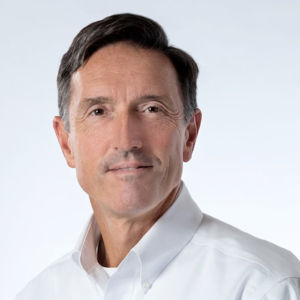
[00:00:45] Brian Searl: Welcome everybody to another episode of MC Fireside Chats. My name’s Brian Searl with Insider Perks. Excited to be here with everybody for another episode. I don’t know if you guys can see me or not. It says, “Oops, connection lost. Reconnecting,” on my side, but you guys are all loading for me fine. I don’t know what’s happening.
We’ll see if the rest of the world can see us. Uh, but that’s popped up over my face right now on my screen. So, uh, but excited to be here for another episode. We got a couple of our recurring guests here. We got Mr. Jeff Hoffman. We got one recurring guest. Casey Cochran’s hiding back there somewhere. I think he’s moving locations.
Uh, he was dealing with some internet issues, so he might join us here in, in a second. Uh, we’re with Jeff Hoffman, one of our recurring guests, and then we got two special guests here. So let’s just kind of briefly go around the room and set the stage for what we have for a good discussion today. Jeff, you wanna lead us off?
[00:01:33] Jeff Hoffman: Hi. Um, I’m Jeff Hoffman, and, um, I am one of the founders of Camp Strategy, and I always enjoy joining this podcast, talking with Brian and other people in the industry, try to keep current on what’s happening, and, uh, very excited to be here today. Thank you, Brian.
[00:01:53] Brian Searl: Awesome. I’m glad you can hear me, Jeff, but literally there’s a giant yellow bar across my face that says, “Oops, connection lost. Reconnecting,” so- All right … I’m glad everybody can hear me.
[00:02:01] Jeff Hoffman: Do you want me to take that, do you want me to take that down, or, uh-
[00:02:05] Brian Searl: I don’t, like, if it- …
[00:02:06] Jeff Hoffman: I put it up there …
[00:02:06] Brian Searl: I think if it loses the connection on me, it’s probably gonna be a better show for everybody who’s watching, so I’m just kinda hopeful it’s actually working.
[00:02:13] Jeff Hoffman: No, I can see you.
[00:02:14] Brian Searl: But, uh… All right. Uh, who’s next? Miriam, would, Miriam, would you like to introduce yourself?
[00:02:20] Marlon Lynn: Yeah, we can see you
[00:02:24] Brian Searl: Marlon, sorry, I apologize. Just tiny
[00:02:26] Marlon Lynn: Uh, Marlon. I’ve been an architect for over twen-
[00:02:34] Brian Searl: Yeah, you’re breaking up a little bit, Marlon
[00:02:36] Jeff Hoffman: Now, he’s getting spoty
[00:02:40] Brian Searl: Go ahead, John. Let’s just start with you while we wait on Marlon.
[00:02:44] Marlon Lynn: Give me, uh, give me two, two minutes.
[00:02:46] Brian Searl: No problem.
[00:02:47] Jeff Hoffman: You go.
[00:02:58] John Donner: I mostly had technology, um, master
[00:03:08] Brian Searl: Awesome.
[00:03:10] John Donner: Thanks for having me, Brian …
[00:03:10] Brian Searl: appreciate you. We’ll talk, we’ll dive deep into some little, I’m sure we got questions about Campground Software and where it’s going and what you guys think and your perspective and all that kind of stuff that we can, that we can dive into.
Marlon, are you back a little bit? You seem, your video seems to be fine. All right, cool. Marlon, please introduce yourself.
[00:03:28] Marlon Lynn: I believe so. Yeah, so, uh, I- architecture for over 20 years with just about any kind of project from small projects of office spaces to 100,000 square foot nursing homes and assisted living facilities, and we’ve designed dozens of restaurants and bars and just about anything you can imagine.
But, uh, four years ago, we actually started developing a product for building shells. So we actually have a company called Flora Lake, and we build a, a full building shell, a floor, a wall, and a roof, deliver it, goes up, up in a couple days. Very energy efficient, very, um, uh, very green, I guess is the best way to say it.
[00:04:21] Brian Searl: Okay. Well, thanks for being here. I’m excited to see what you guys, uh, have developed. We’ll talk to you in a, in a few seconds here. Uh, Jeff, like you’re my only recurring guest. We had Casey, he like came back and then he left, and he came back and he left, and I don’t know what he’s doing. So hopefully we’ll be, we’ll get Casey back here.
But in the meantime, Jeff, uh, typically we start this off to our multiple recurring guests. Apparently, we’re missing a lot of them. I think Mike Harrison must be at the, at the California show, and a few other people are traveling. But Jeff, what, uh, so, so normally how we start this, you know, show is, has there anything that’s come across your desk in the last month that we’ve been together, since we’ve been together, uh, the people on this recurring guest show or this week’s show that you think we should be talking about?
[00:05:01] Jeff Hoffman: Um, actually, one of, one of the things that I’m involved with is OHI, and we have our conference coming up, which is OHCE. Um, that’s November 7th through the 12th. Just got off of meeting about that. Uh, if you’ve never gone, it actually is a good show to attend. There’s educational, but there’s a ton of vendors, and that way you can meet one-on-one with vendors, get to know their products.
But generally, I always find it’s best, uh, just with like Brian, if you meet the vendor face-to-face and you can chat with them, it makes getting your product and your service so much better than just, um, doing it over the internet without, uh, you know, any context of who’s running the company. So that’s the, that’s the thing that’s on my, uh, well, my calendar starts with- Well, going to Canada with Brian.
I’m gonna attend the, uh, Canadian show and try to figure out why we don’t get any Canadians anymore.
[00:06:14] Brian Searl: I mean, that’s pretty easy, but, like… Or, oh, you’re talking about specifically to OHI. Okay, sorry. I thought you were, well, we won’t go there
[00:06:20] Jeff Hoffman: No, I was talking about the, uh, I was talking about your, uh, the Canadian meeting.
Um, because, uh, I was interested to go up and just see what the actual feeling is in Canada with owners and, you know, campground owners and how we can develop a better relationship across the border with… You know, I know that we have some stuff working against us, but, you know, I’m still, I’m still friendly to Can- to, uh, Canadians. I don’t know about-
[00:06:54] Brian Searl: I mean, it’s all just on the mapping level, right? Like, we joke around about this stuff on the show from time to time. Like, we all know-
[00:06:59] Jeff Hoffman: Right …
[00:06:59] Brian Searl: that politics is in the background, and people say things and, like, it impacts behavior. But, like, that doesn’t mean the person-to-person relationships can be a little different, right? We’re all still humans.
[00:07:09] Jeff Hoffman: Right. Yep. Well, um, yeah, and that’s what we’re, what I’m doing is just looking to, uh, go out there, one, as a representative of OHI, but also as myself with Camp Strategy, and just get the reading of Canada and, uh, how they’re doing on their parks and compared to the US parks. So it should be a, a fun…
Then we go to OHI, and then we go to KOA. So I will be conferencing all month.
[00:07:40] Brian Searl: Awesome. Yeah, that’s what I would normally be doing, but I think I’ve told everybody by now, the cat’s kind of out of the bag. But, like, I’m just, I got too much work to do, Jeff. I’m just sitting home, gonna chill. I’m going to the Canada show, but I didn’t go to glamping.
I’m not gonna go to OHI. I’m not gonna go to KOA this year. Not because they’re bad shows. I’m gonna miss everybody there. It’s gonna be, you know, sad to not have the networking, but I just got too much stuff to build. You’ve seen some of the stuff I’m building I’ve seen, yeah … how fast I can do it.
[00:08:04] Jeff Hoffman: Yeah.
[00:08:05] Brian Searl: So.
[00:08:06] Jeff Hoffman: Well, who am I gonna harass? I mean-
[00:08:09] Brian Searl: There’s lots of people …
[00:08:09] Jeff Hoffman: you’re my favorite target at every conference, so I gotta find somebody new to harass.
[00:08:15] Brian Searl: How long are you staying in Canada? Are you leaving right away? Um- I know we’re having a discussion here that should be, like, private, but whatever. We’ll just have a discussion.
[00:08:23] Jeff Hoffman: Yeah.
[00:08:23] Brian Searl: Marlon, are you going to-
[00:08:24] Jeff Hoffman: No, I, uh-
[00:08:24] Brian Searl: Are you going to, are you going to OHI? John, are you going to OHI? You going to any conferences? You guys can jump in
[00:08:34] Marlon Lynn: Uh, somewhat my first introduction to the entire world of, uh, hospitality. My wife and I have a, uh, RV that we travel in all over the country and, uh, I, I’ve really loved being in the community with people. Um, the, the campground folks are just wonderful people to be around, so we always make friends and I, um, I, I’ve enjoyed the environment, but our- my business has really been so evolved around Florida, um, really tied to that.
But there’s so much in Florida, too. The, um, the amount of activity of people building in Florida is just crazy.
[00:09:11] Brian Searl: Yeah, there’s a good Florida conference in May, I think, that you should consider going to if you wanna expose your business to it. It’s a Florida and Alabama show. It’s held in the Orlando area every year.
Yes. Whoop. Um-
[00:09:21] Jeff Hoffman: I got it mute. I got the birds …
[00:09:23] Brian Searl: I got, I got, I got scared for a second, Jeff. I thought he was saying, like, our show for a second was the first exposure he’s had to the industry, and I was about to be like, “Man, first impressions, don’t let it ruin it for you. Like, just go, just go to the next one.”
But then I realized he was just talking about something more broader, so.
[00:09:39] Jeff Hoffman: Right. Yep. Um, you know, that’s probably enough from me. Um, I am interested to hear about our two other guests.
[00:09:50] Brian Searl: Yeah, John
[00:09:50] Jeff Hoffman: Both- Uh, Marlon, I, I- …
[00:09:51] Brian Searl: do either of you go into conferences?
[00:09:55] John Donner: Yeah, I was gonna say, uh, we’ve actually gone to a number of conferences over the last few years. Um, this year, similar to what you just mentioned, Brian, we’ve been just in a flurry of building. Um, and I, I think we’re gonna hunker down a little bit more. Um, we were thinking about going to a couple, couple of things this December.
Um, there’s a few conferences, uh, and conferences, um, that we’re exploring as, you know, when we first started out, we were always RV campgrounds. Um, but then as we grew and developed, we kinda naturally got pulled into things like marinas and, uh, different, different verticals within the outdoor spaces. Um, and so we’re kind of exploring, okay, maybe we can talk shop with some of these marina folks, um, maybe talk shop with a few other, uh, tangential verticals.
Um, but then for the most part we’re like, “Okay, you know, we know what we gotta do. We gotta continue delivering on, uh, bridging the gap between technology and bringing that to the camps.” Uh, I literally just, uh, stopped by one of the first camps we worked with, and she was like, “Yeah, we just still don’t know what we’re doing here with technology.”
And I’m like, “Okay, that’s what we’re here for.”
[00:11:03] Brian Searl: I don’t know what I’m doing either, so like-
[00:11:05] John Donner: And hopefully-
[00:11:06] Brian Searl: Jeff, you know what you’re doing yet?
[00:11:08] John Donner: Yeah
[00:11:11] Brian Searl: Yeah, Jeff’s been here like 140 years, I think. Anyway, continue.
[00:11:14] Marlon Lynn: I will tell you that, uh The last, the last two months, I’ve really dived into the, uh, world of AI, and it’s dramatically just changed my entire life.
My, my business productivity is literally doubled comparatively to what I was doing before, uh, I really engaged. So technology is changing so quickly. Uh, it’s literally every single day, I feel like there’s something new and interesting and productive that’s hitting my plate. So-
[00:11:46] John Donner: Yeah. We-
[00:11:47] Marlon Lynn: I couldn’t imagine trying to keep up, John, and, and incorporate that into other people’s businesses.
[00:11:52] John Donner: Well, we just talked to a campground, uh, literally last week, and the guy was like, “Yeah, I’m thinking about, you know, I’ve heard about these phone responders.” We’re like, “Yeah, we could– We’re– That’s actually on our roadmap. We could, we could build that for you.” And then we, we get on with him, and he already had it done.
Uh, and he’s like, “Yeah, I, I think this is working.” And we’re like, “Yep, nope, that’s working great.” And so it’s the, the pace that everything’s moving, it’s really fast. Um, what’s cool is that people are now able to build their own stuff, and then that can integrate with the systems that exist today, right? Um, so integrations and partnerships are really gonna be really, really huge in the next few years.
[00:12:27] Brian Searl: It is interesting though, John, and maybe we, we can have a brief conversation about this ’cause you’re the software guy, right? And Jeff, you can weigh in on this too if you want or, or Marlon, and then we’ll obviously get to your business in a second, Marlon. But I was watching a, a video on, I don’t know, we used YouTube, but I can’t remember the conference, right?
And I can’t remember the speaker’s name. But it was basically an hour-long presentation on the future of SaaS and how everything is gonna change because of AI. And he started the presentation saying like, you know, “Here’s eight to 10 reasons that you should freak out,” ’cause it was a business room full of SaaS owners, right?
“And then here’s some reasons why you shouldn’t freak out,” was the next one. And then it was, “Here’s reasons that you can build yourself a moat against like worrying about this stuff in the future.” It was like, there’s a couple things at the end, right? And nobody really knows what that moat is. But I’m in the same boat, like I don’t do-
[00:13:13] John Donner: Yep
[00:13:13] Brian Searl: booking engine property management software, but we build intelligence layers, we build data, we build things for the guests. We build like everything basically except the booking engine we do. So the same thing applies to, to us with our AI chats and calls and all the other things, right? And so I’m curious where you think that goes because you, you started to talk about the, the owners building things themselves.
I think that’s an edge case. Like I think that people will try to do that and then they’ll be like-
[00:13:38] John Donner: Yeah. Yes …
[00:13:38] Brian Searl: oh, here’s a dashboard in Claude or a website in Claude, how do I actually connect that to something? And then that’s where it dies. Or how do I build the database behind it or how things connect to-
[00:13:47] John Donner: Yes, yes
[00:13:47] Brian Searl: like the operate… Like it’s easy to go clone my chatbot. Like we released a new chatbot, right? It’s easy to go look at it, take a screenshot and be like, “Claude, build this.” But you’re not actually building it.. You’re building something that looks like it.
[00:13:59] John Donner: Right. Right. Right. Well, and it’s a good point that, you know, we’re still not at a place and I, you know, I think we got some time where you can actually build a functioning, fully fledged, you know, SaaS product, for example.
Um, and I think the other thing, I was just talking with some founder friends about this recently, like What’s not gonna go away is that people are gonna have problems that they have to deal with, and they have to own and maintain those problems, you know? Like, and so if you are an expert in running a campground, for example, you know, like there are a whole slew of problems in running a campground and with all the maintenance logic, uh, the logistics of like the sewage and everything.
The tape space to be able to own all of those things. Sure, AI like allows you to…
Or like follow now there’s a lot more stuff to do
I think there’s stuff that I shouldn’t need to worry about as a business owner and that allows me to be a better campground, uh, manager, owner, et cetera, et cetera
[00:15:42] Brian Searl: So let me ask you this question, John. Like, one is you’ve obviously run your reservation software, you said, for five years now?
[00:15:50] John Donner: Um- Yeah, a little over. Mm-hmm
[00:15:52] Brian Searl: Why do you think people, because it … Not everybody, and we know this from, like, the data we gather, right? Most, surprisingly, it’s pretty close to, like, most people still don’t have online reservation systems at campgrounds in the United States and definitely in Canada. Uh, but for the people who have online reservation systems, which are most of the people who come to these conferences, OHI and all that, like, it seems to be the same kind of people every year and then you add, like, what, what would you say, Jeff, like 10 to 20% new people but about 80% the same every year?
So most of those people coming to the conferences already have some kind of a booking engine, just talking about your product specifically here for … And, and I know it’s more than a booking, right, property management system.
[00:16:31] John Donner: Sure.
[00:16:31] Brian Searl: Um, but they, they already have-
[00:16:34] John Donner: Yep …
[00:16:34] Brian Searl: either a Campspot or a Newbook or a StayList or they’re on Park with Us and they’re looking at somebody else, not that anybody would ever switch from you, John, ’cause you’re perfect, I’m just saying. Uh, but people are shopping around, right?
[00:16:44] John Donner: Well, we’ve, we have a very low churn rate, for sure.
[00:16:48] Brian Searl: But Um, but my question to you is two-part, right, is one is why do you think people are switching reservation softwares today? Agnostic, not like yours to somebody else’s, right? And then two, what do you, how do you think that changes in the future with AI?
[00:17:06] John Donner: Yeah, I mean, good, good questions. Uh, to me, they’re changing because they, they don’t have all the solutions or all the problems solved. Um, and so-
[00:17:15] Brian Searl: But as in– and I don’t mean that in a negative, but as in just said- …
[00:17:17] John Donner: you know, again, we’ve, we’ve been very-
[00:17:18] Brian Searl: You don’t have them solved after five years.
[00:17:19] John Donner: Yeah, yeah.
[00:17:19] Brian Searl: I don’t have them solved after sixteen. Jeff doesn’t have them solved after eighty. So are they just gonna endlessly keep switching?
[00:17:25] John Donner: Right.
[00:17:26] Brian Searl: Sorry.
[00:17:29] John Donner: They, they might. They might. They might. No, uh, to me, to me, what it is, is you have this kind of… I’m trying to see how to articulate this. But basically, you have vertical– other verticals outside of the outdoor industry.
When you look at successful companies, they’re able to solve like a whole suite of problems, and maybe they’re not gonna solve all the problems, but they’re able to solve like the, the problems that are in different spaces. So, for example, we had, you know, we’ve been ver-very fortunate to not have a, a big churn rate, um, but we have lost a couple or a handful of camps here and there in the last few years.
And there was a few examples where we had some camps leave because they didn’t have like ticketing, for example, right? And so, you know, we cover so much in terms of a PMS, um, and being able to handle the bookings and handle the guest management, et cetera, et cetera. But then we didn’t have this component of like ticketing software, right?
And this ticketing software was enough for them to be like, “Well, we’re using another platform for this.” And so they, they become bifurcated. And then from there, there’s an opportunity for the other business that’s giving them ticketing software to build software that also solves the problems that we’re solving, right?
And so it’s easy for them to then switch over like, “Okay, well, I actually wouldn’t mind having everything all under one roof,” right? So I think that’s one major component is like, can I s- meet all of my needs as a business under one roof? And that ends up, you know, changing constantly because different companies and different service providers are constantly tweaking their offering, right?
Um, and so to me, that’s, that’s a major driver, um, and that’s what we see. Um, but I don’t know if, if there’s something else that Marlon or Jeff can, uh, can speak to.
[00:19:17] Brian Searl: Yeah, let’s stay in the current for a second, and then we, and then we’ll go to the future because I, I wanna weigh into you on that. Go ahead, Jeff or Marlon.
[00:19:23] Jeff Hoffman: I, I think every conversation that I have with campground owners, every group where we get together, it– the PMS systems come up. Um, I just attended Camp- Campspot where, uh, I was with Casey and a group in training on Campspot. I– Because I consult, what I do is I try to stay up to date on every PMS system that’s out there.
And, you know, everybody’s gonna be the shiny new product this week But then the next group’s gonna figure out what they did and copy it. So-
[00:20:06] Brian Searl: Yeah, that’s what, like, to- that’s what, and I don’t mean to interrupt you, but that’s, like, that’s the thing that I think is gonna change with AI when we get to that discussion.
I mean, it already is happening, and, and I’m gonna give a macro view of the PMS scape and, and understanding that there are micro players that do things differently. But on a macro level, I see, like… I’ve seen for the last, like, and I’ll go way past, like, John, when you’ve been here five years, right? Like, 10, 15 years.
Basically, we’ve been like, I invent something, somebody else copies it, somebody else copies it, somebody else copies it, then they invent something new, and then it goes backwards, and this person copies it, and that per- And I don’t see really anybody doing a ton of real huge innovation here until we saw something like Staylist Apex.
That was the one thing that I think was like, wow, for me. Now, I’m not saying other people won’t do that in the future. I think it’s gonna change with AI. But that was the big difference maker to me. I don’t know what you guys think.
[00:21:02] Jeff Hoffman: Stay- yeah, Staylist, I think, advanced that quickly because they brought in somebody with an outside expertise, but outside of the campground business, and he remodeled their whole thinking.
Uh, and I think that’s why they made a tremendous jump.
[00:21:22] Marlon Lynn: Yeah, I, I think if you If you stay within one genre of software and you don’t go outside that software to find influences, I think you really end up in a place where you just don’t grow and mature. Lindsay, he’s a business manager at Florida Lake, but we actually had a home inspection software company and literally like you just couldn’t keep up with the movement in the industry.
It just moved so quickly. So I just I completely understand your your pains and frustrations with trying to stay up with the industry and keep new functions growing. But as you start to add features, trying to get your product to maintain stability and try to add try to add to it and be competitive, it’s just it’s virtually impossible.
And and obviously you’re on it all day, every day. But yeah, that’s a that was a crazy part of business.
[00:22:27] Brian Searl: I mean, this is what worries me in the future is that, and I don’t want to spend the whole show on PMSs, right? Maybe John does, but we don’t want to spend the whole show on PMSs. But this is what worries me, right?
It’s like, I think in the future with AI, features become a commodity. I don’t think there’s any feature, like, and I’m not talking about the database and how things operate, right? I’m talking about features that you market to campground owners. I don’t think there’s anything that you can build really right now.
And I know how fast I develop with software and stuff like that with AI, but I have no life, right? But in the future, especially where you’re not like any feature you develop is going to be able to be matched by the competitor in a week. So I don’t think features are the moat. So if that world comes to pass, and I’m not saying you agree with that, John, although you can say if you don’t or don’t, I don’t want to put words in your mouth or do or don’t.
I don’t want to put words in your mouth. But if that future comes to pass, how does software like Park With Us or anyone else differentiate themselves?
[00:23:30] John Donner: Yeah. And I mean, th- this is the thing that keeps us up at night, right? Like, this is the thing that we passionately are thinking about right now. Um, for us, it comes back to kinda what we started the company on and, you know, maybe this is, um, a bit because we were, uh, a more recent addition to the array of PMS, um, in the space.
But to me, it’s, it’s about being human and connecting, uh, with the campground space and with, with this industry, right? Um, as the technology is supposed to supplement this, and technology is supposed to, like, make our lives easier so we can enjoy the outdoors more. And for us, it’s like, if we’re getting too lost in the weeds trying to build every feature and stay in parity, I think we lost the plot a little bit.
Um, and also, you know, we wanna make sure that y- the, the campground owners and the people that we service also are actually able to enjoy the outdoors more and connect with their guests. Um, and so for us, I mean, you know, I, I think what Salus has done is, is really cool because I think it allows us to automate more stuff, um, and get out of– get technology out of the way a little bit more, um, so you’re not spending all your time, like, behind a computer screen, uh, just like tweaking configurations, right?
Um, and that’s the direction I think the industry will continue to go into. Um, but what I think is, um, really important as a differentiator is to, like, you know, have good human support, right? Um, or have, uh, actually, uh, actual humans on the phone. Um, so that way, when you are connecting with technology, it’s not just getting lost, uh, to, you know, the matrix to, to reference a cultural, cultural, uh, moment.
[00:25:12] Brian Searl: Jeff, anything to add?
[00:25:17] Jeff Hoffman: I think what, uh, I’m looking at is like, uh, John, in business we always, uh, uh… There was a book called, uh, Blue Ocean. We’re always looking for a niche to fill. The, the problem I’m seeing with AI is those niches are getting filled quicker than they used to. You used to have some time to own an area of product until people were able to copy it and kick you out of the space. That time has just-
[00:25:54] John Donner: Yeah …
[00:25:55] Jeff Hoffman: cut down to almost zero. So it’s really hard to develop your own little space. But, you know, as far as PMS, I think what you have to, what you have to start doing is, like, stepping outside and then see where the next level generation is gonna be, and I think that’s where you’re gonna have to concentrate.
Or staying small and being very, very customer service oriented, because, uh, as some of these companies get bigger, they’re not servicing the com- the customer like they did, and there’s always a niche for the personal service
[00:26:38] Brian Searl: What’s interesting to me, I think, is, is the audience that which, in which we serve, right?
Like we serve campground owners, RV park owners, glamping resort owners. Most of those people on a, again, on a macro level, right, I’m just gonna stereotype the industry, but we all know it’s different on micro to micro, different people, different, you know, ways that they came into the industry. But on a macro level, I think it’s fair, and Jeff, you can correct me if I, if I’m wrong, but I think on a macro level, most people who are, who got into the business of owning a campground or RV park or whatever else, got into that business because they don’t want squat all to do with technology, right?
Like, they wanna be outside every day, they want to enjoy nature, they wanna work with their hands, they wanna build things, they wanna greet customers, they wanna whatever. The antithesis of everything that is technology. So what I think about often is like, and, and this has to do with like w- we’re also building s- you know, not BookingEngine or PMSs, but similar software products that are, I don’t know, what I would call advanced, right?
Uh, is that, is the audience an audience that can be or wants to be convinced that your feature is different than somebody else’s? Like, does the argument even land? And that was part of what the guy was saying in the, in the SAS video that I watched, you know, for an hour that I was talking about earlier, is that he’s like, “There’s really only two to three features that all your customers are using in software.”
Like, it’s two to three that might be different for each individual person, right? But there’s really only two to three they care about. So, uh, it, it, it begs the question, then you roll over like, okay, now I’m, I’m in an era of AI, I’m moving faster, and I know, John, your argument is like the human thing.
That’s a very strong argument, but also, like everybody can hire humans and everybody can provide better customer service, too. It just doesn’t scale quite as fast as AI, and not all of it is on equal footing, depending on who you hire and how they’re trained and all those kinds of variables, right? Uh, but st- sticking with the technology and features itself-
[00:28:31] John Donner: Right
[00:28:32] Brian Searl: is there, is there a reason for the campground owners who are watching this podcast to care about these new features? Like, a- a- and if, and if there is, how do we show them the true value of it without just saying like, “I have this, and they don’t have this”?
[00:28:55] John Donner: Right. Yeah. I mean, to me, the, the other side of, of this that I didn’t speak to before, which, you know, I still think the differentiator here is the human touch. That said, on the technology side, I think really it’s about getting out of the way, um, in terms of trying to market features and more trying to market what are we doing for you as a business and how are we helping you not use– not feel like you’re using technology and grow your business, right?
Um, and I think if, if that becomes a little bit more of the focus, you can let the technology take care of the… and let them focus on solving their problems, right? And again, you know, Staylist’s Apex, uh, feature, uh, feature set is like, okay, an AI native. As a campground owner, like, I wanna do X. I don’t need to monkey around with a, with an interface, right?
It just goes and does it. And so if we can get away from having to comb through settings pages to figure the fe- You can think you have a feature rate or a race to the bottom with a feature set, um, because every company is going to eventually be doing this a la the speed that things are moving. And, um, and then, and I think, and, uh, the human aspect of things, um, because everything else is equal.
[00:30:18] Brian Searl: Yeah, I think for me, like, and again, I’m not a PMS provider, but I think if I was one, I think, I think in my mind it would be a race to who can get the owner out of the office fastest and being able to connect to their guests more. Is, is what I…
[00:30:33] John Donner: Well, much better said than-
[00:30:35] Brian Searl: I just don’t have complete thoughts like you do, man. I just have like here and there, and they just pop in my head, so
[00:30:43] Marlon Lynn: Your, your comment about getting your, getting the owners out to be able to interact with guests, uh, k- kind of gets me to guests’ side of the experience. We’ve, um, i- in a lot of our designs, we really focus on how do we give the guests the best experience that the guests can have, and have the guests feel like they’re being served the best-
ha- having everything at their fingertips. That, that really is to me the reason that you would have software so you can actually support their experience and have every guest have as positive of the experience as they could have every single transaction. So I, I, I really think when you lose that viewpoint of the guest and the people that you’re serving, it, it, you really kind of lose the point of the software.
[00:31:36] Jeff Hoffman: Well, all right. Marlon, I, I am interested to hear about your business because when you mentioned 150-
[00:31:40] Brian Searl: That’s what I was gonna ask Marlon, and then you’re… I was like, “No, Jeff’s talking.”
[00:31:44] Jeff Hoffman: Oh, uh, I, I am, uh, very interested in that because we do a lot of construction and remodels, and the quicker we can get something…
Our biggest challenge nowadays is permitting on the buildings and then finding a contractor that actually shows up and completes the project. I have a swimming pool- … that started two years ago. Uh, got delayed, got delayed, got started, and then found out we were missing a permit.
[00:32:22] Marlon Lynn: Hmm.
[00:32:22] Jeff Hoffman: And we just got that. We dug the hole, got the rebar in in April, and it’s still sitting there.
[00:32:29] Marlon Lynn: Hmm.
[00:32:29] Jeff Hoffman: So, you know, if it was a pre-constructed and I popped it in the ground-
[00:32:33] Marlon Lynn: Yeah …
[00:32:34] Jeff Hoffman: it’d be done. So let me… I, I’d love to hear about your business.
[00:32:45] Marlon Lynn: Yeah, and I, uh, I really appreciate the, um, the introduction. But, um, several years ago we really looked at what was happening during COVID and how hard it was to get to a hundred different suppliers to be able to get products to a job site, and then get, you know, 20 different subcontractors to show up to a small job.
And, um, we worked towards getting a, a single supply source for materials and getting a way to be able to do construction as quickly as it could be done. So LoraLake is what we’ve, uh, developed as far as a, a product goes, and the product is actually a steel beam with a wood insert. So we bolt the steel together on site, and then we have a panel system that flat backs to the site just like a IKEA furniture that you’d go buy in a box.
So you assemble all the pieces right on the job site. So once you get the steel bolted together, every other connection is a two-inch nail. So it, um, it ends up with a system that’s, um, it’s three times stronger than what we need for hurricanes in Florida, which is a significant accomplishment. And then on the, uh, thermal side, our average R-value is an R-32 for the entire wall. So-
[00:34:12] Brian Searl: Which for the people who don’t, for the people who don’t know, R-32 is
[00:34:22] Marlon Lynn: Yeah, so if you look at your, uh, wall and you, i- in the wintertime or in the summertime, if you go up to your wall and your, your, um, if it’s cold outside and your wall is a decent temperature, and then you go over to your window and you touch the window, and the window’s cold. Your window may be an R2 and your wall’s probably like an R13.
So you can really feel the difference of the heat transfer through the wall. Um, but the, um, R value is what we use to be able to judge how efficient that wall system is to block the heat transfer through the wall. So it, um, uh, that, that’s usually what, um, what we use criteria-wise. But the products that we’re producing right now, um, we just took a few of them out to Oklahoma and the, um, products we took out there were 550 square feet.
We showed up o- over a weekend, started Monday morning at 10:00, and we had two shells assembled by noon on Friday. And then from there, the people on site finished the outside of the building and finished the inside of the building. So once we put a shell up, you would say… awe.
[00:35:39] Brian Searl: Lap dog.
[00:35:40] Marlon Lynn: Good friend there.
Um, once you get the shell up, you r- you really just need a handyman to finish out the building. So it, um, it goes anywhere. We just need a telehandler. We don’t need a crane. You don’t have to worry about these, uh, pre-manufactured buildings where you’re trying to get on a site and, you know, you’ve got to get this huge 100-ton crane into place and set it onto the right location.
Uh, we just make it a lot easier to get to difficult locations. We’ve got a, um, a simple system to do assembly-wise. And then when we leave, we’ve got all the hard part done. So you just finish out the, uh, the, the exterior finish and interior finish.
[00:36:22] Brian Searl: So, all right. One is my– I have two questions, right? Number one is, you mentioned IKEA.
Do you have weird names that people can’t pronounce for this stuff?
[00:36:35] Marlon Lynn: You know, I, I stick with simplicity, view.
[00:36:38] Brian Searl: Okay, so-
[00:36:40] Marlon Lynn: Those kind of names.
[00:36:41] Brian Searl: So … two is, is give us the macro picture as a campground owner. What am I– What can I– What type of things can I construct with your kits? Is kits the right word?
[00:36:53] Marlon Lynn: Absolutely. Yeah, well, we usage, um, the, the, um, anything can be a kit, but we have a, uh, packages of materials that you assemble with, uh, construction guys.
But we really target, um, something that is probably a little bit more high-end. Because of the strength and the, um, energy efficiency and the speed of construction, we’re definitely not the least expensive way to get a building in place, but we’re the fastest way to get it in place and the most energy efficient once it’s there.
But, um, the, the folks that we’re working with, they’re actually renting these 500 square foot units in a middle of nowhere location for six to $700 a night. So it’s, um, it’s definitely a, a niche kind of environment that we worked in so far, but we definitely have solutions for folks that are in a more common campground environment.
You know, i- if you can easily get production materials to a campground and, uh, you’ve got plenty of time, we may not be the answer for you. But, uh, our clients, we solve some really specific problems that hardly anybody else can solve.
[00:38:16] Brian Searl: All right, Jeff, camp strategy consultant, guru, person, genius, where would they use modular packages like this? Where can it be helpful? You’re muted still, Jeff.
[00:38:30] Jeff Hoffman: That’s because somebody’s cutting, uh, weed whipping. Um, I would think that this product can be used any place. The biggest thing is making sure that state by state, county by county, it can be permitted, um, before people commit. And I don’t… Do you guys help with permitting?
Uh, pulling the, the construction permit, the engineering for the actual building is sent to the, uh, building inspector, or in some cases the state to get that approval. And do you do… Is it, is it… Does it come complete with the electric connections, the HVC, all of that, or is it just the shell?
[00:39:25] Marlon Lynn: Yeah. G- great set of questions. So I am an architect by, by trade, so we actually, uh, are able to hit most states. There’s a few states that, uh, deal with seismic, such as California, Alaska, where I would have to partner with somebody that is in that area with licenses in those states. But we definitely have a product that, that the strength, we’re way overbuilt.
Um, by the time that you get a ring of steel all the way around this building, we are so strong. It, it, um… Our building inspectors walk in and, and they look at it and say, “This is ridiculous,” and walk out because everything’s completely stitched together. All the way around the skin of the building, there’s a steel ring that holds it to the ground.
But, um, we’ve intentionally done only a shell product because the shell components are the things that, that give the most heartache when trying to get s- uh, a, a small site built with construction workers. They don’t wanna show up to build 500 square feet. They don’t wanna show up to build 1,000 square feet.
So we get that hard part done, but our system is made where local electricians, local plumbers, local HVAC people can all work within the system, and it just accommodates all those local folks very, very well. So they, it, um, it’s a very simple system to work in. I’ve, you know, I started in the 1980s in construction and, uh, was blessed to be able to go through and go into architecture.
But, um, you know, I’ve seen every kind of building that, that, that there is, and we’ve, we’ve taken all the best parts, tried to leave out the parts that, uh, you know, time has left behind, and really look towards the future. But our products are legitimately built within a thousandth of an inch, so across an entire building you may have a variation of, you know, a quarter of an inch from one side of the building to the other side of the building.
So it, um, it’s a super system to work inside of because it’s straight and square when we leave, and it, um, you know, it’s a great product in that way.
[00:41:39] Brian Searl: Jeff, how difficult is this for, like you’ve owned your, you know, you owned a, what, how about 17, 18 campgrounds at some point, whatever the number was. Uh, but you still own one, and you obviously do consulting for a bunch.
How difficult is what he said to accomplish with like a, one of the cabin manufacturers that, that people will see at OHI or KOA? Like is it hard to bring in a local to help us with those?
[00:42:01] Jeff Hoffman: Um, what happens and what is happening in some states, uh, park models are permitted- In campgrounds under the, uh, RVIA label, so they’re limited to 400 square feet.
Um, and then they are, by definition, temporary type living. Everything that’s built to the RVIA code is technically, uh, uh, supposed to be temporary, not full-time. What happens once you go over that 400 square feet, i- in Ohio, they’re starting to enforce cabins that people have built that aren’t built to any code, haven’t.
Uh, and I think- … every state is starting to get to that point, where they’re taking a look. There are certain states that don’t have any zoning, but I know very, very few states that don’t have some type of building code that you have to build to. Uh, and I don’t care who they are. You know, they’re, they’re concerned about plumbing, they’re concerned about electric, they’re concerned about safety.
Those are the issues that would get you in trouble when you build your own cabins or ha- have them privately built. You know, the Amish build a ton of cabins, but they build them, and generally they don’t even have a blueprint. So when you’re asked to prove-
[00:43:44] Brian Searl: But yet, but yet somehow, and I’m not gonna go into an anti-regulation rant or anything, somehow the Amish-
[00:43:50] Jeff Hoffman: Right
[00:43:50] Brian Searl: are still here today. But continue, Jeff.
[00:43:54] Jeff Hoffman: Oh, no, well, no, I was talking about the Amish constructing, uh, for a campground, construction build.
[00:43:59] Brian Searl: Well, I would think that they don’t have a lot of building codes for the Amish buildings either, Jeff, I mean, is my guess.
[00:44:06] Jeff Hoffman: No. No, the-
[00:44:06] Brian Searl: But continue, sorry …
[00:44:08] Jeff Hoffman: and I, and it’s not a comment that their stuff isn’t well-built, it’s just not-
[00:44:13] Brian Searl: Yeah
[00:44:13] Jeff Hoffman: permitted.
[00:44:13] Brian Searl: Well, that’s what I mean. Like, I’m just saying. Like, anyway, continue. I don’t wanna get on a f- I, I don’t wanna take it back. Keep going where you’re going.
[00:44:19] Jeff Hoffman: You know, my biggest concern with your, you know, with your product is, how do you compete on the square footage cost versus site-built? Um, where’s your manufacturing facility?
Uh, because I, you know, I spent years in the manufactured home industry, and probably a half of my lifetime in the manufactured housing business, in building modular homes, all of that, and I always saw the advantage. But a lot of times permitting, stupid, uh, rules took care of all the c- manufacturing savings that I, I was getting.
So by the time I put the house on a foundation, I was very close to a stick-built house. So that would be, one, you guys offer speed, which is great in some circumstances. But two, uh, what’s the cost?
[00:45:29] Marlon Lynn: Yeah, absolutely. So it really depends on the square footages that we’re building. Uh, currently we are about $60 to $75 a square foot for the shell. That’s the floor, the wall, and the roof, bringing all the materials there, getting all that stuff in place, which we are, we are absolutely more expensive than somebody going out and building with two-by-four studs and plywood.
Uh, we’re not competing with that person. But, but the cool part is, is once we’re in– once that shell’s in place, you can really use every tier of labor to get out. So if somebody has the time and energy to work on a project themselves, it’d be a great product to be able to have a
manufacturing goes. Um, we really feel like we’re on that automated train. So our product is actually developed where we have a, uh, a series of partners. Uh, we’ve gotta get the right machine, but we literally send a, uh, a print file to our partners. We can, we can do that anywhere in the country, and they produce our product locally to you, uh, depending on the size and the scope of your project.
But, um, you know, w- we don’t have any scaling or expansion problems. Our products are, are so universal. We have got a material supplier that is represented in, uh, 40-something locations across the US, so we can get materials to any part of the United States and get our manufacturing process executed really anywhere we want to across the United States.
[00:47:19] Brian Searl: All right. So everything is solved for you, Jeff, except the permitting, which it sounds like, like, I mean, maybe we could use a PMX that did automatic finding of the building inspectors and like generated AI things to like woo them or something, right? Is that on part of the roadmap or
[00:47:38] John Donner: I wa- I was thinking, I was thinking the same thing and it, it just entered the roadmap.
[00:47:44] Marlon Lynn: See, what I wanna do is go ahead and have your software figure out when they can afford to finance their new additions, and we just integrate that with the software and it’ll just pop up, you know, every, every, uh-
[00:47:56] Jeff Hoffman: Yep …
[00:47:56] Marlon Lynn: month it’ll tell them how far they are along-
[00:47:58] Jeff Hoffman: Do you have, uh- …
[00:47:59] Marlon Lynn: and be prepared for their new expansion.
[00:48:01] John Donner: Once our MCP is launched in the next month, you can, you can go wild.
[00:48:05] Jeff Hoffman: Uh, do you have a website that people can, uh, take a look at your product? Can, Brian, can that be put in the link? Because I do have unfort- uh, someone that I, I work with and have talked to is trying to build something in Alaska, and if, you know, anything that you can get up in Alaska pre-built is gonna be way cheaper than hiring local labor.
So it might be something that we could take a look at there. Um, and it sounds like you can meet, ’cause they have, you know, really high insulation factors, everything else up there. Sounds like you could meet that.
[00:48:51] Marlon Lynn: Yeah, absolutely. And, and we have, we have pathways-
[00:48:53] Jeff Hoffman: Okay …
[00:48:53] Marlon Lynn: to get above R50. So it’s, um, so there’s-
[00:48:58] Jeff Hoffman: Yeah …
[00:48:58] Marlon Lynn: there’s no problem with getting enough insulation value. Um, our website is flora, F-L-O-R-A, lake, L-A-K-E, .us, so floralake.us. And we are pricing online, and we actually had a, uh, client talk to us in Alaska.
We have a product called the View 750, and it has a 12 by 16 skylight on the top of it. So there’s a, um, I, I mean, it is a beautiful architectural building. Uh, that, that’d be a great product for Alaska with the northern lights and being able to g- see the stars above your bed at night. Um, that, that’d be a wonderful product.
[00:49:41] Brian Searl: Lindsay, do you have anything to add? You’ve been so quiet. You haven’t said a word.
[00:49:43] Lindsey Crowley: Well, uh, Marlon, uh, he’s, he’s doing all the heavy lifting for us today. I, I have to apologize for being late to the party. You know, he, um, he actually, uh, you touched on the, uh, permitting, uh, issues with, uh, pre-manufactured, uh, units and, uh, you know, the, I, I don’t know if it, it was made clear about our, about our products, but, you know, it’s the best of both worlds for us.
We are pre-engineered, where our components are manufactured in a controlled environment to highly precise, uh, measurements, but because we flat pack to the site, we are still considered, uh, we are site-built. So we don’t have a, a, a regulation against a site-built, uh, construction. We fit right into the site-built construction that municipalities like.
So not only do neighborhoods like us because we’re site-built, but so do banks. Banks, uh, you know, they like to finance, uh, site-built products as well, the site-built, uh, they like the site-built aspect of our products as well. But, uh, I- I, what do you- … appreciate the opportunity to jump in there, Brian, thank you.
[00:50:52] Jeff Hoffman: Okay. One quick question. Uh, you said the flooring is included. Is that, um, a modular floor? And then how, how do we, uh, how do we set the foundation?
[00:51:07] Lindsey Crowley: Uh, now for… I’m sorry, go ahead, Marlon.
[00:51:11] Marlon Lynn: Great question. S- so, so, uh, um, so our floor panel, our wall panel, and our roof panel are all the same product, so you get that consistency, but we actually set on top of either a, a helical foundation, a concrete-
[00:51:30] Jeff Hoffman: Okay
[00:51:31] Marlon Lynn: and steel pier. We s- can set on a stem wall foundation. Literally any kind of foundation that you need for your building site, we can attach that either with a, a welded condition or a bolted condition. So we’ve got a ton of flexibility anywhere that you’ve got weird soil conditions We can get past the weird soil conditions and get into something that’s more stable.
And then, um, the, the best part, and we had this on our last job site build, um, one of the plates didn’t get put on the foundation in the right location. We got the steel beams up. We figured out that the level was off. We unbolted the, the connector. We put spacers in the connector, squared it right back up, got it nice, flat, straight, and square, and kept moving ahead.
So even, even in the future, if your soil conditions change or something moves, you can use that bolted connection point to really level the building back up and, um, accommodate anything that happens to the ground under the building. But it is completely a normal, financeable, site-built building and e- even though it’s at a small scale.
[00:52:45] Jeff Hoffman: Um, yeah, I can, uh, I… There’s areas that I work where we kinda have garbage land because of the topos. So I could see where if we can support the back, uh, we can walk into this unit, maybe save some space, and then, like, backfill around it or something. But it might make unusable space usable because we’re not…
We’re putting it on a structure already built. Uh, might make it a little bit easier to construct in weird places.
[00:53:26] Marlon Lynn: Yeah, it’s funny that you say that. The site we had in Oklahoma the second time we went, they actually cut a, a small terrace for us, and the building is up eight and a half feet. So we actually have another 500 square foot of living area under the unit that was just created for a outdoor living space. So, um, you know, you really get the both worlds in that condition.
But the owner ended up with, uh, 1,100 square feet instead of 500 square feet because it, you know, it’s, it’s elevated on steel steel piers. So-
[00:53:58] Jeff Hoffman: Very interested in your product …
[00:54:00] Marlon Lynn: tons of options, and, uh, there’s, there’s no end of-
[00:54:02] Jeff Hoffman: Um, would love to connect after this and, uh-
[00:54:06] Marlon Lynn: Cool …
[00:54:06] Jeff Hoffman: do some more research on it.
[00:54:09] Brian Searl: All right.
Let’s spend the last few minutes asking-
[00:54:10] Marlon Lynn: Yes, sir …
[00:54:10] Brian Searl: each other questions. So Marlon, do you have any questions for anybody else on the show besides me?
[00:54:18] Marlon Lynn: Y- you know, um, I, I really have so loved the whole RV community. Um, I, I, I’m, I wanna talk to John afterwards because I’ve, I’ve, uh, I’ve had so many different experiences with, with trying to use each one of the, um, the different kind of websites. It just seems like there’s such variation and, um, I, I’m, I’m interested to learn more about your product, John.
[00:54:47] John Donner: Yeah, for sure. And I mean, likewise, it’s funny, uh, when you were joking about like, oh, is there, uh, something that we could do software-wise, um, we actually have been talking with our payment provider on financing because we’ve noticed that a number of camps that we work with, you know, of course we started with RVs, but a lot of them are actually, you know, they have glamping operations, they have camps, uh, with cabins and, and stuff like this.
And so a lot of the time they end up building things out, and so they need proper financing. Um, and so we’ve been starting to look at that side of things a little bit more like, okay, can we actually start to help, uh, the development of these camps, um, a little bit more. Um, and so yeah, I, I would also love to pick your brain a little bit on that side, uh, as that’s something we’re, we’re starting to, to get into more. So-
[00:55:32] Brian Searl: All right. John, do you have any questions for anybody?
[00:55:34] John Donner: No, that’s great. Um, yeah, I guess, uh, Jeff, I, I was interested in if you had any experience with seeing, like you had mentioned, uh, the Blue Ocean Strategy, which great book by the way. Um, and I, I was wondering if you had any experience with like noticing trends over the last few decades of things that are similar to what’s happening right now in AI, but for the campground space and for the outdoor space.
Um, and if you saw any booms kind of where there was a large shift and what was the shakeup from that?
[00:56:16] Jeff Hoffman: We’ve actually, yeah, we’ve been going through… You know, there was the trend when, uh, when I first got into this business, there really were very, very, very few PMS systems. Ev- almost everybody was pen, paper, pins in a board.
Um, we, yeah, we, uh- We still noticed. We modified and worked with the original Dis Re- Digital Res that was out of, uh, British Columbia and helped them design a system, and we used it across multiple properties. Uh, and we actually could- turned it into a server version, uh, for our internal use that I could look at the properties, and this was back in the late ’80s and ’90s and into the 2000s. So, uh, you know, that was great
[00:57:13] John Donner: So pre-campground master is what you’re talking about
[00:57:17] Jeff Hoffman: Yeah, we were campground- Well, because-
[00:57:18] John Donner: Pre-CD …
[00:57:19] Jeff Hoffman: rent manager for our mobile home parks is, had always been out there, but it was not really adaptable to the campground business. So we were looking for it and found DigRes.
[00:57:31] John Donner: Right.
[00:57:31] Jeff Hoffman: DigRes originally was designed for, um, like hotels, and we talked with the owner there and had it changed. And, you know, Brian, not to dispute it, but some of us in the campground industry have always tried to embrace technology to grow, but I do realize it’s an industry of smaller single-property owners, but that’s one of the directives I see changing, is we’re getting more and more people that own multiple parks, and they need better information systems if they wanna stay on top of it.
You know, when I had multiple parks, I had to travel to all of my parks to really make sure what was going on. Now I can sit in my office, look at the videos of the park, read all of the, you know, all the reservations, look at the financials, and other than if I wanna go count cash, I don’t have to be at the properties at all.
So that, that’s changing. The nature of our business is changing. Um, we’re transitioning where investors have, like, actually found the RV campground business But what they’re also finding is that unlike a lot of the other investments they’ve been in, we are management intensive, more so than storage, uh, mobile home parks, uh, car washes, things like that.
We are, have to be people-driven. We are similar in nature to the hotel business, but we’re still different than the hotel business because we don’t have pre-made, you know, we’re not site-built, this franchise builds this model of hotels, so everything that goes wrong is the same. You know, the properties are the same. In, in the campground business, every property is unique.
[00:59:36] Brian Searl: Until Marlon takes over. Just, it’s just temporary, Jeff.
[00:59:40] Marlon Lynn: Right.
[00:59:42] Jeff Hoffman: Yeah, well, and that’s, you know, that’s what I’ve always told you is I tried to systematize, uh, and that was my whole goal, and I found out that it’s a tough industry to systematize because demand is different in areas, the clients are different.
Uh, it changes, so it’s, it’s tough to commoditize a campground, and I think that’s why I still love the business is because I’m trying to solve that puzzle.
[01:00:14] Brian Searl: All right, well, we are out of time. I wanna be cognizant of everybody’s time here. We’re just a few minutes over, so I wanna go around and just final thoughts, Jeff, and then where can they learn more about Camp Strategy?
[01:00:23] Jeff Hoffman: Um, you can, uh, look us up at campstrategy.com. We just rebuilt the website. It’s supposed to be really interactive and awesome, so let me know if it isn’t.
[01:00:34] Brian Searl: What do you mean supposed to be? You haven’t looked? Okay. Marlon, final-
[01:00:39] Jeff Hoffman: Why would I go-
[01:00:41] Brian Searl: Marlon, uh, Marlon-
[01:00:42] John Donner: He’s already vibe coding.
[01:00:43] Jeff Hoffman: Yes, yes.
[01:00:43] Brian Searl: Marlon, final thoughts and where can they learn, well, you’ve already gave your website, but you can give it one more time if you want
[01:00:51] Marlon Lynn: Yeah, floralake.us. We’re just really honored to be able to be included today, and I, I really feel like we’ve got a product for folks in the industry to really rethink what campgrounds are and be able to provide a, a wider range of product for folks that don’t have campers or tents that really just wanna enjoy the outdoors.
So I think we can really help with different types of experiences.
[01:01:16] Brian Searl: Yeah, appreciate you being here.
Lindsey, do you have a different website or is it the same one?
[01:01:19] Lindsey Crowley: Uh, it’s the same one. Uh, you can reach me, uh, through the website, um, or, uh, you can email me at lindsey@floralake.us if you’d like to connect.
Um, but, uh, you know, likewise, uh, just, uh, appreciate the opportunity to be here and, uh, to speak with everyone, uh, and, uh, uh, welcome any, uh, any and all feedback and, uh, opportunity to communicate and learn more about, um, you know, how we could help each other.
[01:01:47] Brian Searl: Awesome. Thanks, Lindsey. Last but not least, John.
[01:01:54] John Donner: Yeah. Uh, Brian, thank you so much and to everyone else. Uh, great conversation. Um, you can find us at Park With Us. That’s Park, P-A-R-K, With, W-I-T-H, .us. Um, and I can be reached at john@parkwithus. Um, and yeah, no, I mean, the only thing I’ll, I’ll leave everyone with is, uh, we’re very excited for this next chapter of what the industry is gonna look like, because I think it’s shifting a lot right now.
Um, and there’s a lot of cool ways for businesses like ourselves and like your, your all’s, uh, to continue to make lives easier for campground owners. Um, so hopefully we can get a little bit more into the outdoors, uh, even though technology is bringing it outdoors.
[01:02:35] Brian Searl: Well, hopefully technology helps us do that.
Like, it’s not the only thing, right? But that’s the, the goal is not technology front and center-
[01:02:41] John Donner: Definitely …
[01:02:41] Brian Searl: it’s technology to help you connect better with your guests, be outside more, get away from that computer screen.
So thank you guys for joining us for another episode of MC Fireside Chats. If you’re not sick and tired of hearing from me, we have another live show called Outwired in about an hour with myself and Scott Bahr.
Uh, we’re gonna be talking about data research, all kinds of other stuff. Uh, and uh, you know, other than that, we will see you next week on another episode of MC Fireside Chats. Take care, guys. See you.
[01:03:05] Lindsey Crowley: Thanks, Brian.
[01:03:05] Marlon Lynn: Appreciate you.
[01:03:06] Jeff Hoffman: Thank you. See you later.